Overview
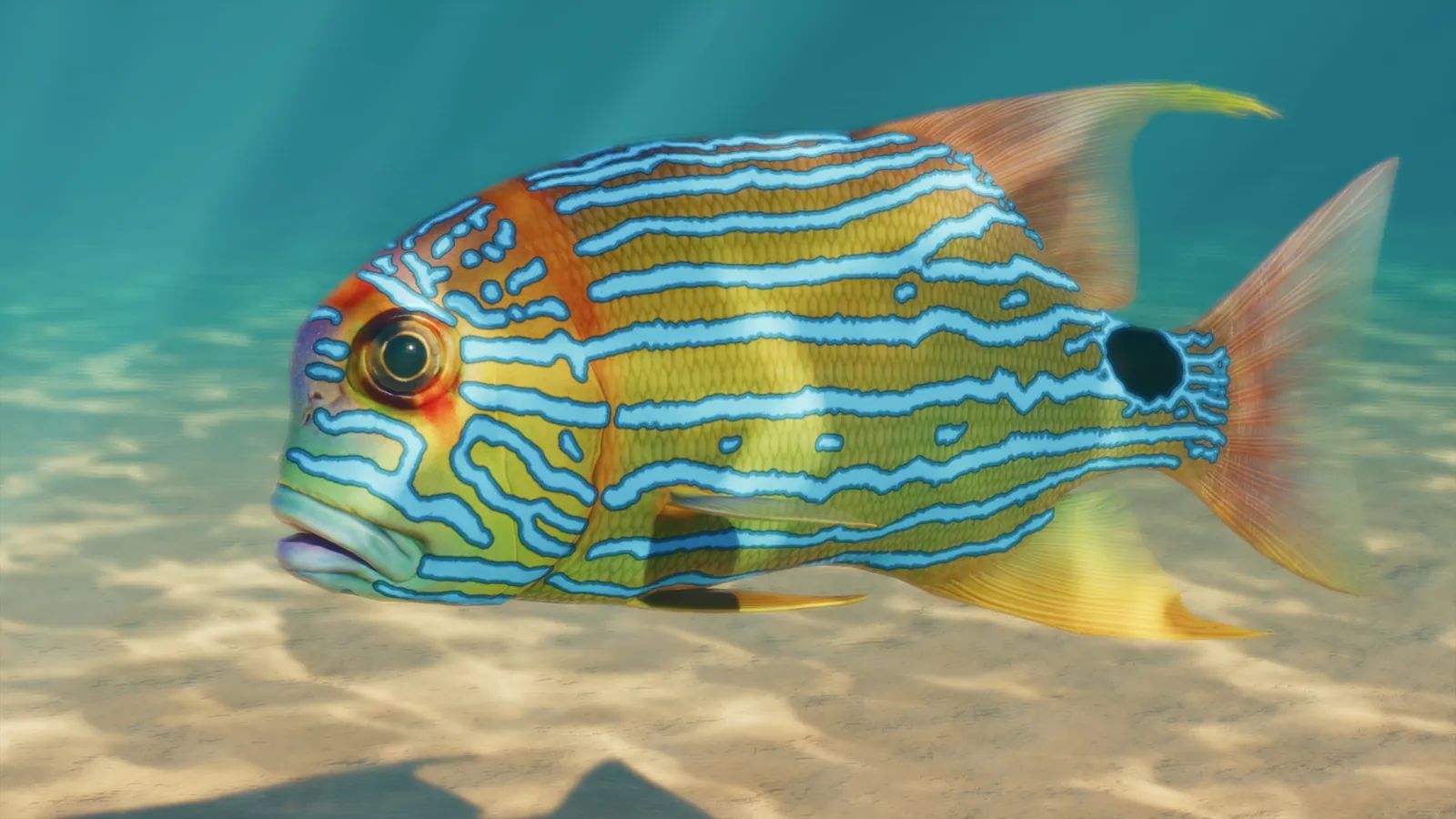
The sailfin snapper (or Symphorichthys spilurus), also known as the blue-lined sea bream, is a reef fish found throughout the Indo-Pacific region, ranging from the Maldives and Indonesia to northern Australia and the Solomon Islands. It inhabits coral reefs and adjacent areas. The species is easily recognised by its elongated dorsal fin and its silver to yellow body marked with bright blue horizontal lines and a distinctive dark spot near the base of the tail. Adult sailfin snappers reach lengths of 35cm to 50cm and typically weigh between 3kg to 6kg.
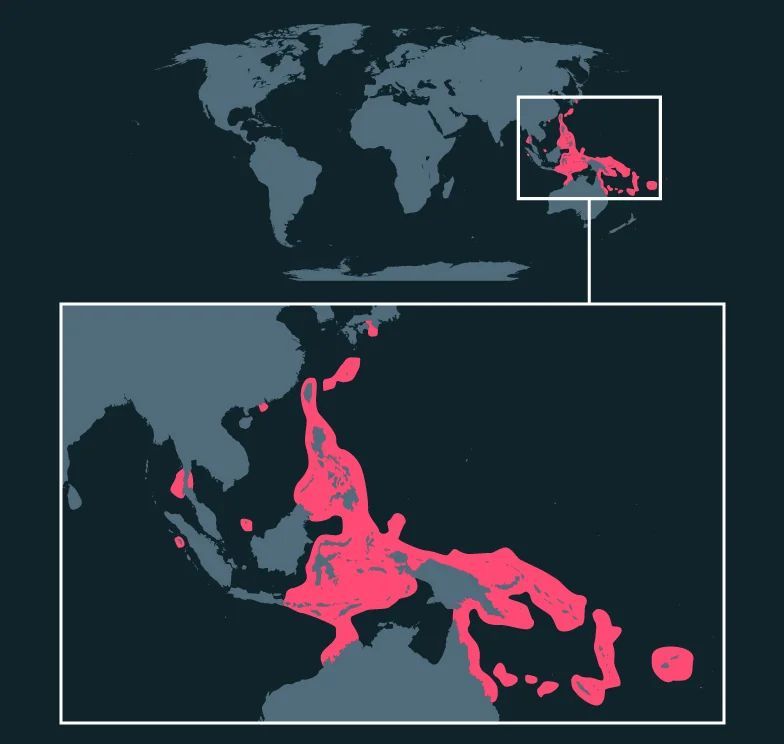
Found in Indo-Pacific reefs and coasts
Regions
- Asia
- Oceania
Biomes
- Reef
Size & weight
Size
Length: 0.5 m
Weight
Male
1.3 kg
Female
1.3 kg
Bars use a log scale against the heaviest animal in the Zoopedia, the Common Hippopotamus.
Measured as Length. The person stands 1.75 m tall for scale.
Habitat requirements
Barrier grade
Grade 1 of 5
Minimum height
1 m minimum
Climbing & water
Climb proof
Not needed
Water barrier
Not allowed
Combine this animal with others in the barrier planner.
Conservation
IUCN Red List
Least concern
Least concern
Critically endangered
The sailfin snapper is considered a species of Least Concern. It is caught by mixed species fisheries across its Indo-Pacific range using handlines and bottom trawls, which can remove adults before they have a chance to reproduce. Large spawning aggregations at specific reef slopes concentrate many individuals in one place and are especially vulnerable to over-exploitation. Although poorly documented for this species, deterioration of coral reef and adjacent habitats due to sedimentation, destructive fishing and coral bleaching affects its ability to feed, hide, and spawn. One mitigation strategy is to identify and protect aggregation sites through seasonal closures timed around spawning waves. Additionally, some sailfin snappers are now being grown in aquaculture for the aquarium trade rather than wild-collected, reducing direct pressure on wild populations. Overall, the conservation of this species will benefit from improved data on maturity age, population trends, aggregation sites, as well as established protections for spawning aggregations and sustainable fishing practices.
Zoopedia sketchbook
Social & reproduction
Keeper notes
Sailfin snappers are moderately social fish. They are often observed swimming in small groups or loose schools, especially around coral reef slopes and sandy areas adjacent to reefs. For sailfin snappers in the wild, spawning begins on or after the full moon and occurs when currents are directed offshore. Under these circumstances, large aggregations gather for spawning at specific reef-slope sites in contrast to their normal solitary or loosely grouped behaviour. Males have been observed chasing females in the spawning rush and only one or a few males may successfully fertilise eggs during the chase. Depending on the size of the female, thousands of eggs will develop in the open water after fertilisation during the spawning aggregation, after which larvae drift and settle in suitable reef or rubble habitat. The specific age of sexual maturity is not well documented. It is likely similar to other snapper species that reach maturity between 3 and 7 years old.
Animal facts
- The sailfin snapper is the only known species of the genus Symphorichthys.
- The sailfin snapper’s species name, ‘spilurus’, means ‘spot tail’ in Ancient Greek, so named after this distinctive feature.
- Sailfin snappers are known to form spawning aggregations of up to 50,000 individuals.
- In some areas, locals are discouraged from eating sailfin snappers as they are likely to contain high amounts of ciguatoxin; a toxin produced in algae that causes gastrointestinal and neurological symptoms.
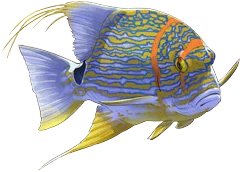
- The sailfin snapper is so named for the long, filamentous extension of its fin that looks like a sail.
Taxonomy
Class
Order
Family
Genus
Species