Overview
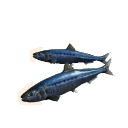
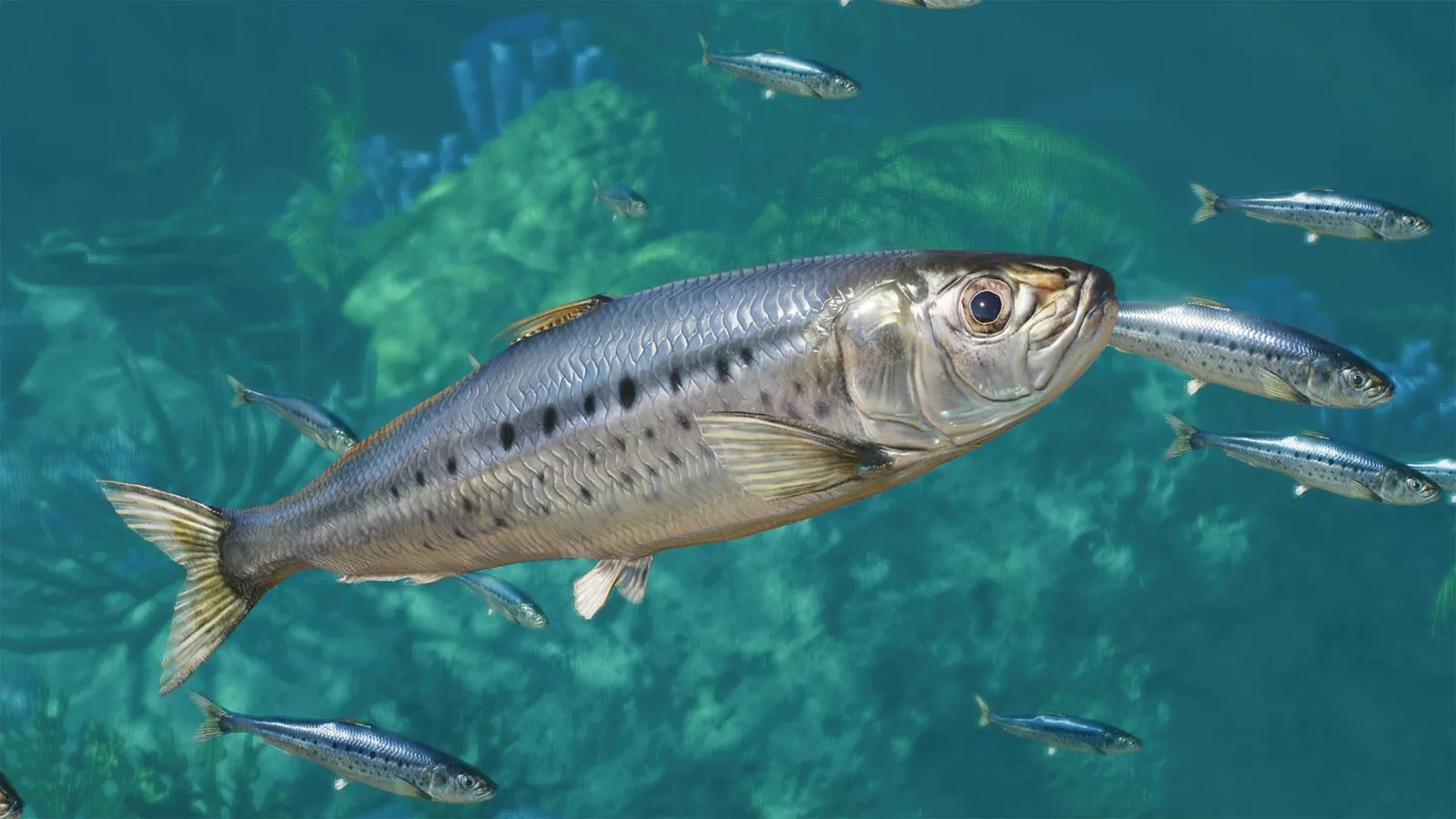
The Pacific sardine (or Sardinops sagax) is a small species of schooling fish that lives in the subtropical and temperate waters of the Pacific and Indian Oceans and is also found in the Atlantic Ocean around South Africa. They are small, silver fish with dark spots on their backs and are often found in very large groups, with some schools thought to be made up of up to 10 million individuals. They are usually under 30cm in length, although some individuals do grow to up to 40cm.
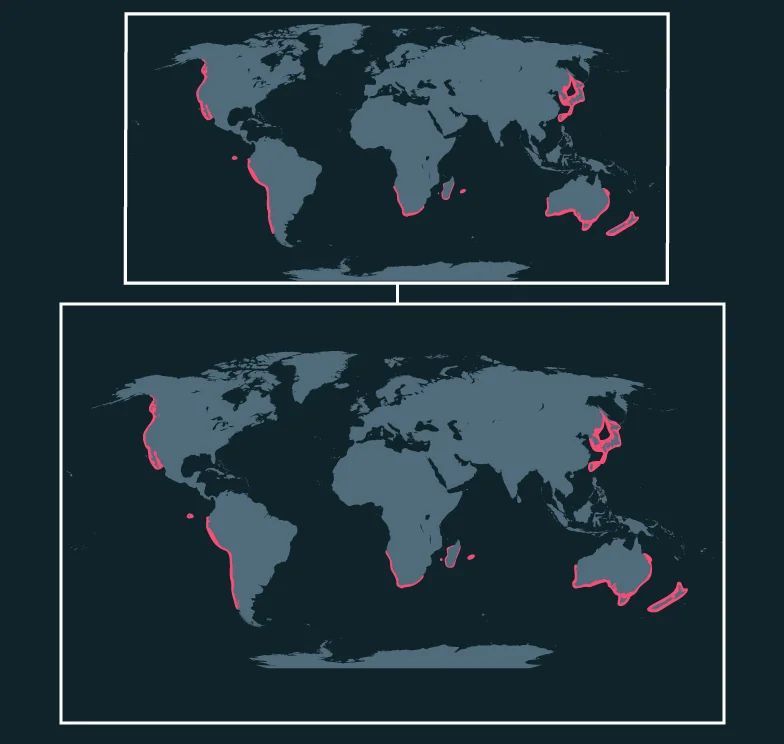
Found in Pacific Ocean, Indian Ocean and Atlantic Ocean
Regions
- Indian Ocean
- Pacific Ocean
Biomes
- Open sea
Conservation
IUCN Red List
Least concern
Least concern
Critically endangered
While Pacific sardines are currently listed as Least Concern, their populations remain vulnerable to a combination of fishing pressures, environmental changes, and fluctuating food sources. Effective management through fishing quotas, habitat protection, and climate change adaptation measures will be crucial for ensuring the sustainability of sardine populations and the health of marine ecosystems. It is especially important to maintain sardine numbers and range as they support many food webs and are an integral part of healthy functioning ecosystems.
Zoopedia sketchbook
Social & reproduction
Keeper notes
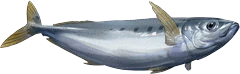
Pacific sardines live in shoals which may be made up of thousands if not millions of individuals. Pacific sardines spawn during the cooler months; the time of year of this may change depending on which hemisphere they are found in. During spawning, female sardines release their eggs into the water. A single female may lay 45,000 to 65,000 eggs during one breeding event. Males will release their sperm into the water, and fertilisation takes place externally. Fertilised eggs will float in the water for 3 or 4 days before hatching into larvae. After first hatching, sardine larvae do not move independently and instead float along being carried by the currents. They develop into juvenile fish at 2 to 3 months old and will begin to swim independently. They will school together with other sardine juveniles and swim in search of food. Pacific sardines reach sexual maturity at 2 or 3 years old and continue to live in large schools throughout their life.
Animal facts
- The shiny silver scales of the Pacific sardine allow it to blend in with the movement of the surface of the water.
- Pacific sardines feed on plankton by filtering them through their gill rakers.
- Pacific sardines are an integral part of many ocean food webs, providing a food source for larger fish, sea birds and marine mammals.
- Pacific sardines often travel along warm ocean currents and may migrate hundreds of kilometres in this way.
- Pacific sardines often come to the surface to feed at night when they are less vulnerable to predation.
Taxonomy
Class
Order
Family
Genus
Species