Overview
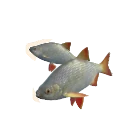
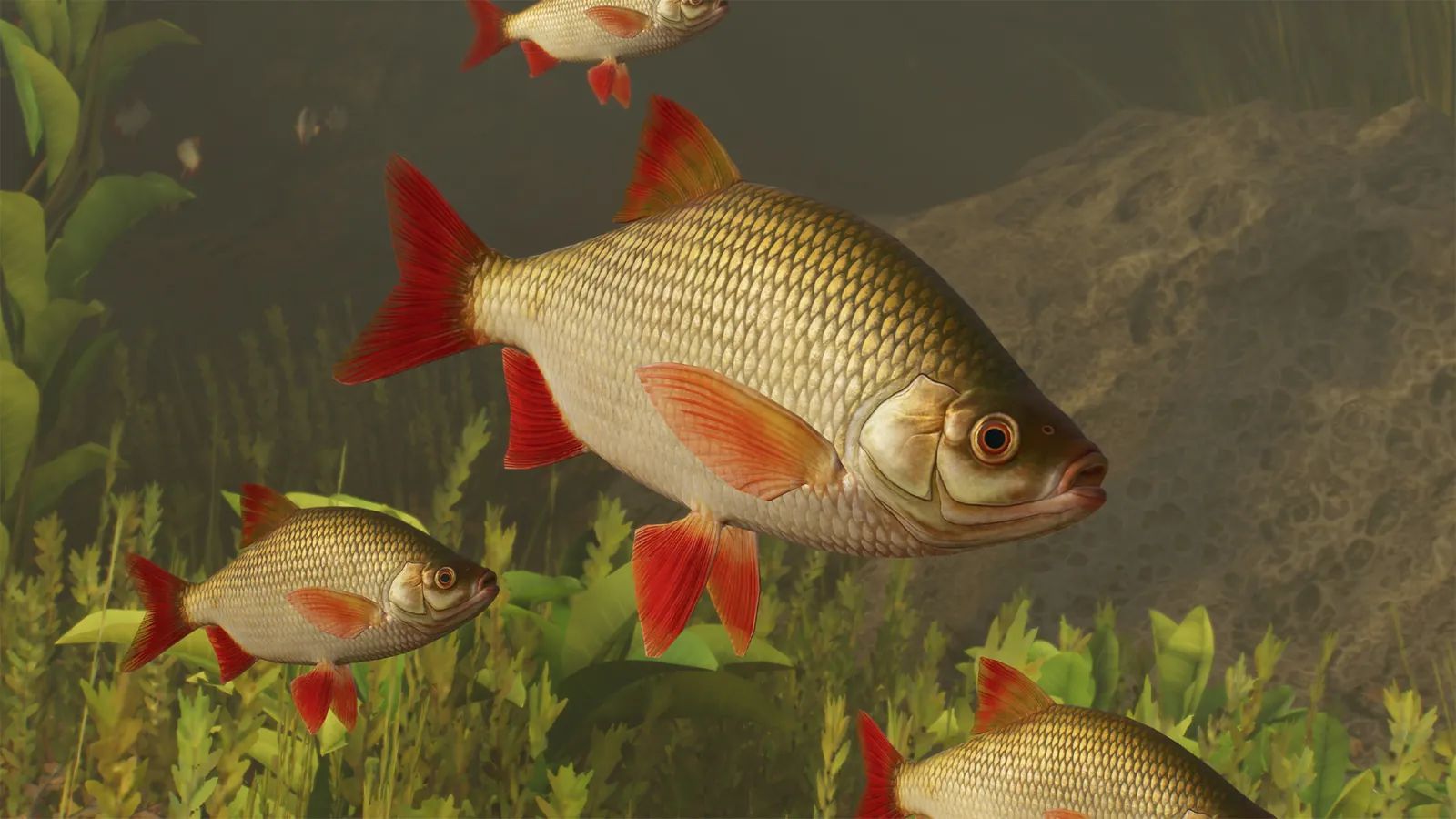
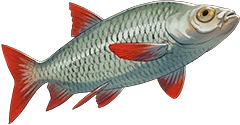
The common rudd (or Scardinius erythrophthalmus) is a widespread freshwater fish native to much of Europe and western Asia, though it has also been introduced to North America, New Zealand, and parts of Africa. It typically inhabits slow-moving rivers, lakes, ponds, and canals with abundant vegetation, preferring still or gently flowing waters where it can feed on plants and small invertebrates. The rudd is a medium-sized, laterally compressed fish with a deep, golden-green body, reddish fins, and a distinct upturned mouth. Adults measure 20cm to 35cm in length and weigh 200g to 400g.
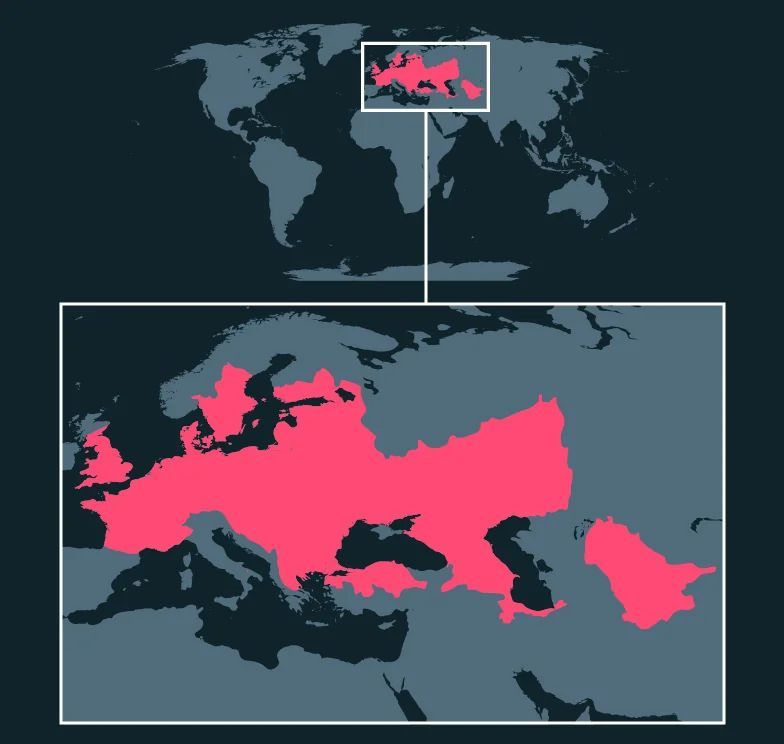
Found in Europe, Asia
Regions
- Asia
- Europe
Biomes
- Lakes & rivers
Conservation
IUCN Red List
Least concern
Least concern
Critically endangered
The common rudd is a species of Least Concern, and commonly an invasive species. In many regions, they outcompete native fish for habitat, food and spawning grounds. Their heavy grazing on aquatic vegetation significantly alters plant communities and habitat, where rudd thrive to the detriment of native fauna. Rudd can hybridise with species such as roach, bream, and bleak, threatening the genetic integrity of native populations. Some regions ban the transport of live rudd or restrict their use as live bait, and anglers are discouraged from releasing them into new waters. Where rudd are already established, mechanical removal, netting, or targeted fishing aim to reduce population density. Monitoring and research programs track rudd population trends, detect hybrid zones, and assess ecological impacts. Risk assessment frameworks identify vulnerable waterbodies and prioritise them for conservation action. Together, these efforts aim to limit the spread of rudd, mitigate their ecological impacts, and protect the biodiversity of freshwater systems.
Zoopedia sketchbook
Social & reproduction
Keeper notes
Rudd typically live in shoals (groups), especially when young, which provides protection from predators and improves foraging efficiency. Individuals coordinate movement, often feeding near the surface together on insects or among aquatic plants. As they grow older and larger, rudd may still remain in groups, but the shoals often become smaller and looser, with some larger adults living more solitarily, especially in less densely populated waters. The common rudd has a reproductive cycle strongly tied to seasonal changes, particularly rising water temperatures in late spring and early summer. When temperatures reach around 18 to 20°C, rudd begin their spawning season, typically between May and June in temperate regions. Courtship involves males becoming more active and vibrant in colour, especially with intensified red in their fins, as they pursue females in shallow, vegetated areas. Males nudge and chase females to stimulate egg release. Spawning occurs communally in shoals, with multiple males often pursuing a single female. The female scatters adhesive eggs onto submerged vegetation or other surfaces, while males simultaneously release sperm to externally fertilise them. The eggs hatch in about one to two weeks depending on water temperature. Newly hatched larvae remain attached to vegetation for a short period, absorbing their yolk sacs before beginning to feed on plankton. Juvenile rudd grow quickly, forming tight shoals near vegetation for safety. Rudd generally reach sexual maturity at 2 to 3 years of age, although this varies with environmental conditions such as temperature and food availability.
Animal facts
- The combination of hardiness, striking appearance, and adaptability has contributed to the common rudd’s success across a wide range of habitats.
- Common rudd have a distinctive upturned mouth that lets them feed at or near the water surface, catching insects and plant matter.
- Young common rudd feed more on zooplankton, aquatic insects, and small invertebrates; as they mature, they shift toward feeding heavily on aquatic vegetation and plants.
- Mature common rudd may consume up to 40% of their body weight in vegetation daily.
- Common rudd are known to hybridise with other cyprinids like roach, bream and chub.
Taxonomy
Class
Order
Family
Genus
Species