Overview
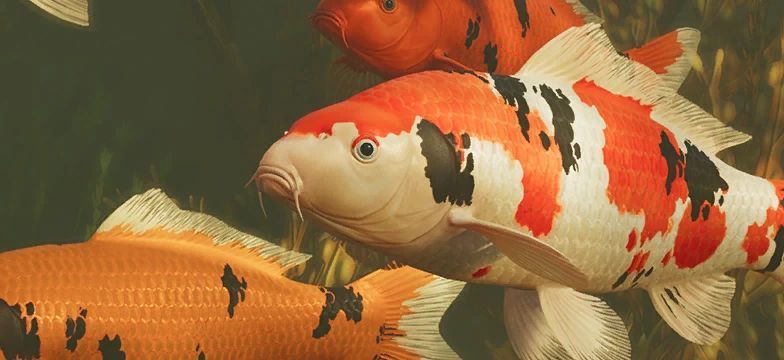
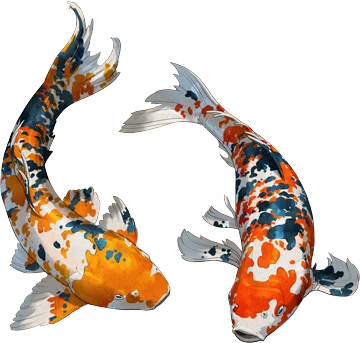
The koi is a domesticated and selectively bred form of carp, with ancestor species likely including the Eurasian carp (or Cyprinus carpio) and the Amur carp (or Cyprinus rubrofuscus). Wild carp inhabit slow-moving rivers, lakes, floodplains and ponds with soft, muddy bottoms and abundant vegetation, their native range extending across the temperate regions of Eurasia. Koi have emerged in Japan and are now widely distributed around the world as ornamental fish. Koi are best known for their striking colours and patterns ranging from white, red, orange, yellow and black, while wild carp species are usually olive-brown, greenish or yellowish with a paler underside and sometimes reddish fins. All carp have elongated, robust bodies with large scales, and distinctive barbels at the corners of the mouth. Adult koi and common carp typically reach standard lengths of 60cm to 90cm and weigh between 6kg and 15kg, though some exceptional individuals can exceed lengths of 1m and weights upwards of 30kg. Females tend to be larger and heavier than males on average.
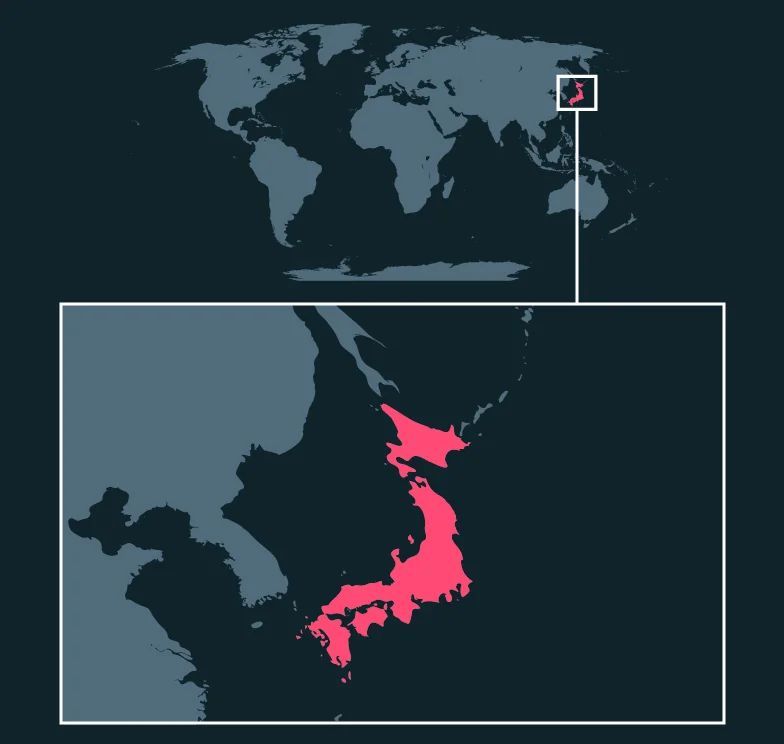
Found in Distributed worldwide
Regions
- Asia
- Europe
Biomes

Habitat needs
Minimum area
Deep water
50 m² + 15 m² per extra animal
Environment
Temperature
18 to 25°C
Plant coverage
30-60%
Water salinity
Freshwater
Enclosure
Aquarium
Diet and enrichment
Diet
- Copepods
- Algae Pellets
Conservation
IUCN Red List
Domesticated
Least concern
Critically endangered
Koi are domesticated and widely distributed. However, their wild ancestors face various conservation issues. Both Eurasian and Amur carp are of Least Concern, but their native freshwater habitats are threatened by degradation due to river regulation, dam construction, pollution and wetland drainage in many places. This reduces available spawning and feeding grounds. Paradoxically, the Eurasian carp is also one of the 100 worst invasive species worldwide - it has been introduced to every continent except Antarctica, and their bottom-feeding behaviours and strong appetite damage native aquatic vegetation and outcompete native fish. There are efforts to mitigate both challenges. In native carp habitats, measures include wetland restoration, improvement of water quality and regulation, and limiting fishing pressure to protect spawning grounds. In areas with invasive carp, population control via monitoring, removal programmes and public education to prevent releases of ornamental fish are in place. Together, both strategies aim to protect habitats and species in their respective native environments.
Zoopedia sketchbook
Social & reproduction
Keeper notes
Koi are social fish that thrive in groups and should not be kept alone. Koi, like wild carp, mate in spring and early summer when rising water temperatures and longer daylight hours stimulate courtship behaviours. Males actively chase and nudge females around shallow, plant-rich areas, which encourages them to release their eggs. Simultaneously, males release milt (the seminal fluid of fish) into the water for external fertilisation in a process called broadcast spawning. Eggs scatter and adhere to aquatic plants, roots or rocks and will not be guarded by the adults. Following fertilisation, the eggs hatch within three to seven days, depending on water temperature. Newly hatched larvae initially rely on their yolk sacs for nourishment before developing into free-swimming fry that begin feeding on microscopic organisms. As they grow over the next several months, juvenile koi gradually adopt an omnivorous diet and develop their characteristic body shape and colouration. In suitable conditions, koi grow relatively quickly and typically reach sexual maturity between 2 and 4 years old. With proper care, they can live for several decades.
Group and breeding
Group
Shoal size
15-30
Lifecycle and breeding
Life expectancy
40 years
Age of sexual maturity
3 years
Mating season
Summer
Animal facts
- The colours of a koi may change over time depending on diet, environment, season and age.
- Koi can learn to recognise people and will swim towards those who regularly feed them and interact with them.
- Wild carps were farmed for food hundreds or years ago in East Asia; farmers noted striking colour mutations occurring occasionally.
- Koi can live for very long periods if well looked after, some records claim ages of over 100 years for a particular variant of koi.
- 'Koi' simply means 'carp' in Japanese, while the more specific term 'nishikigoi' means 'brocaded carp'.
Taxonomy
Class
Order
Family
Genus
Species