Overview
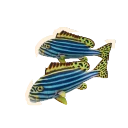
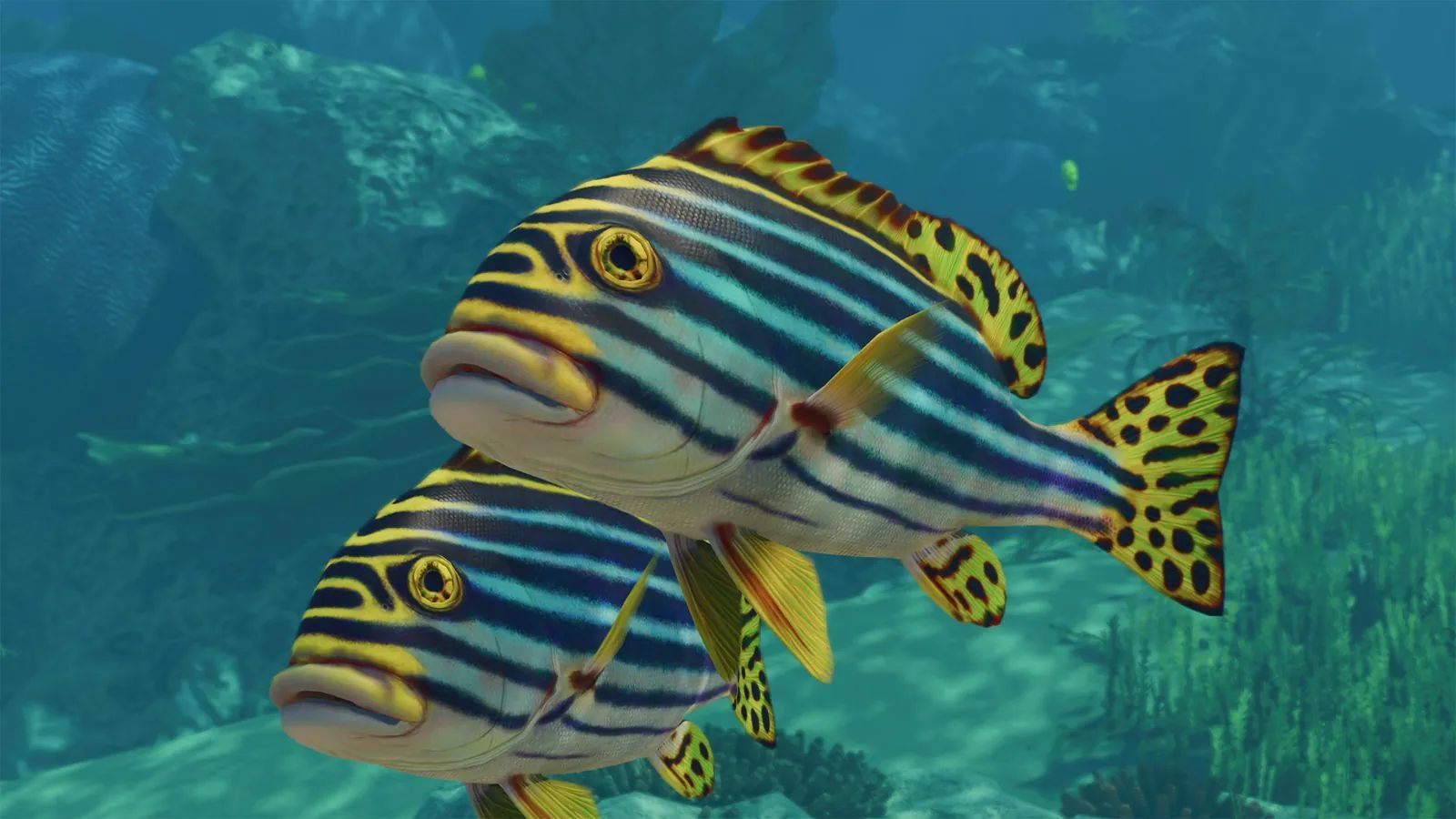
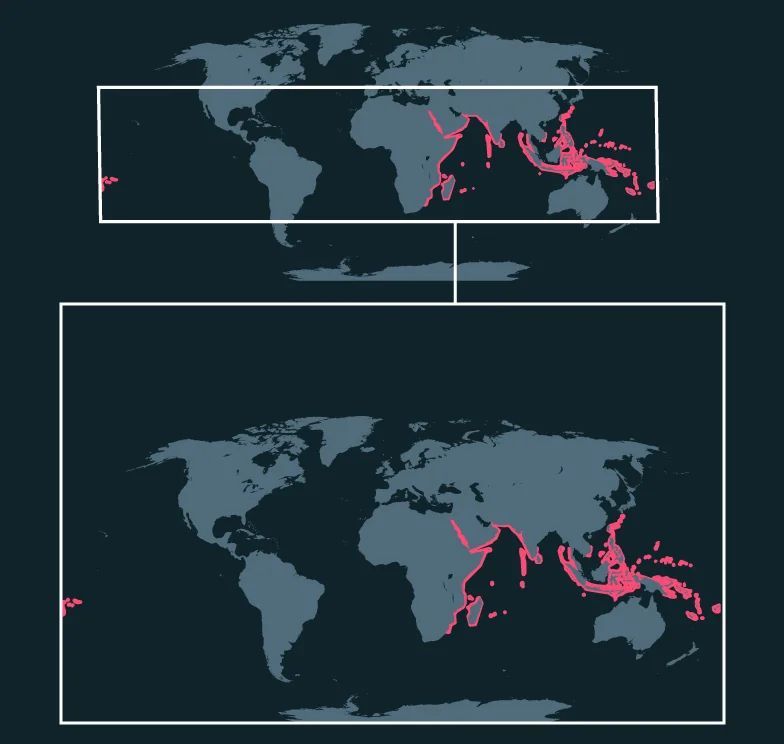
The Indian Ocean oriental sweetlips (or Plectorhinchus vittatus) is a marine fish found throughout the Indo-Pacific, from the eastern coast of Africa and the Seychelles to Micronesia, Samoa, and as far south as Western Australia and New Caledonia. It inhabits shallow coral reefs, lagoons, and seaward reefs. This species has a pale greyish body with alternating black and white stripes, yellow fins, and dark spots on the dorsal, anal, and caudal fins; juveniles display blotches that later form stripes. Indian Ocean oriental sweetlips measure an average of 50cm to 72cm.

Appearance
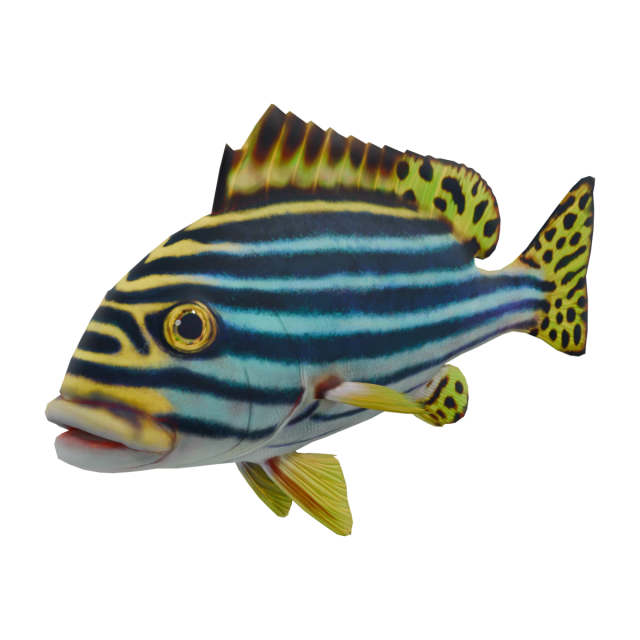
Adult
Habitat needs
Minimum area
Deep water
100 m² + 30 m² per extra animal
Environment
Temperature
24 to 28°C
Plant coverage
20-60%
Water salinity
Saltwater
Enclosure
Aquarium
Diet and enrichment
Diet
- Fish Cuts
- Squid
Conservation
IUCN Red List
Least concern
Least concern
Critically endangered
The Indian Ocean oriental sweetlips faces several conservation challenges despite its current classification as ‘Least Concern’. Key threats include habitat degradation, overfishing, and pollution. Coral reef ecosystems, vital for the species' survival, are increasingly threatened by climate change, ocean acidification, and human activities, leading to significant risks for their populations. Efforts to mitigate these threats involve protecting coral reef habitats, regulating the aquarium trade to ensure sustainable practices, and implementing marine protected areas (MPAs). Public education and awareness campaigns also play a crucial role in promoting reef conservation. Additionally, research on the species' reproductive biology and development has been conducted to inform conservation strategies and support sustainable management of their populations. Long-term success depends on continued monitoring, research and the continued protection of vital reef habitats.
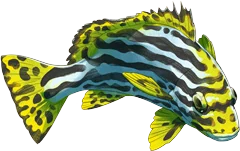
Zoopedia sketchbook
Social & reproduction
Keeper notes
The Indian Ocean oriental sweetlips lives solitarily, in pairs or in small groups and is not a particularly social species. Breeding season is year-round, but more likely in warmer months. The Indian Ocean oriental sweetlips courtship typically occurs when adults pair up on the reef, often in shallow areas where the water is calm. During this period, males may display colour changes and fin movements to attract females, and the pair swims close together while releasing sperm and eggs simultaneously into the water column, allowing external fertilisation. Spawning generally occurs in pairs rather than in large aggregations, and the eggs are buoyant, drifting with currents until hatching. After fertilisation, the eggs develop into planktonic larvae, which are free-swimming and carried by currents until they settle in shallow habitats such as tidepools, seagrass beds, or protected reef areas. Juveniles remain in these nursery habitats for protection and food availability. As they grow, they move onto coral reefs and deeper lagoon areas, reaching sexual maturity at around 2 to 3 years.
Group and breeding
Group
Shoal size
5-20
Lifecycle and breeding
Life expectancy
10 years
Age of sexual maturity
2.5 years
Mating season
Aseasonal
Animal facts
- The Indian Ocean oriental sweetlips juveniles often live in tidepools or seagrass beds, which provide protection from predators.
- The Indian Ocean oriental sweetlips can be solitary or form small groups, depending on age and environmental conditions.
- The Indian Ocean oriental sweetlips undergoes a dramatic change in colouration as they grow, from juvenile blotches to adult stripes.
- The Indian Ocean oriental sweetlips has yellow fins with blackish spots on the dorsal, anal, and caudal fins, which are thought to help in species recognition.
- The Indian Ocean oriental sweetlips plays an important role in reef ecosystems as a predator of invertebrates, helping to maintain balance in coral reef communities.
Taxonomy
Class
Order
Family
Genus
Species