Overview
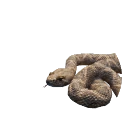
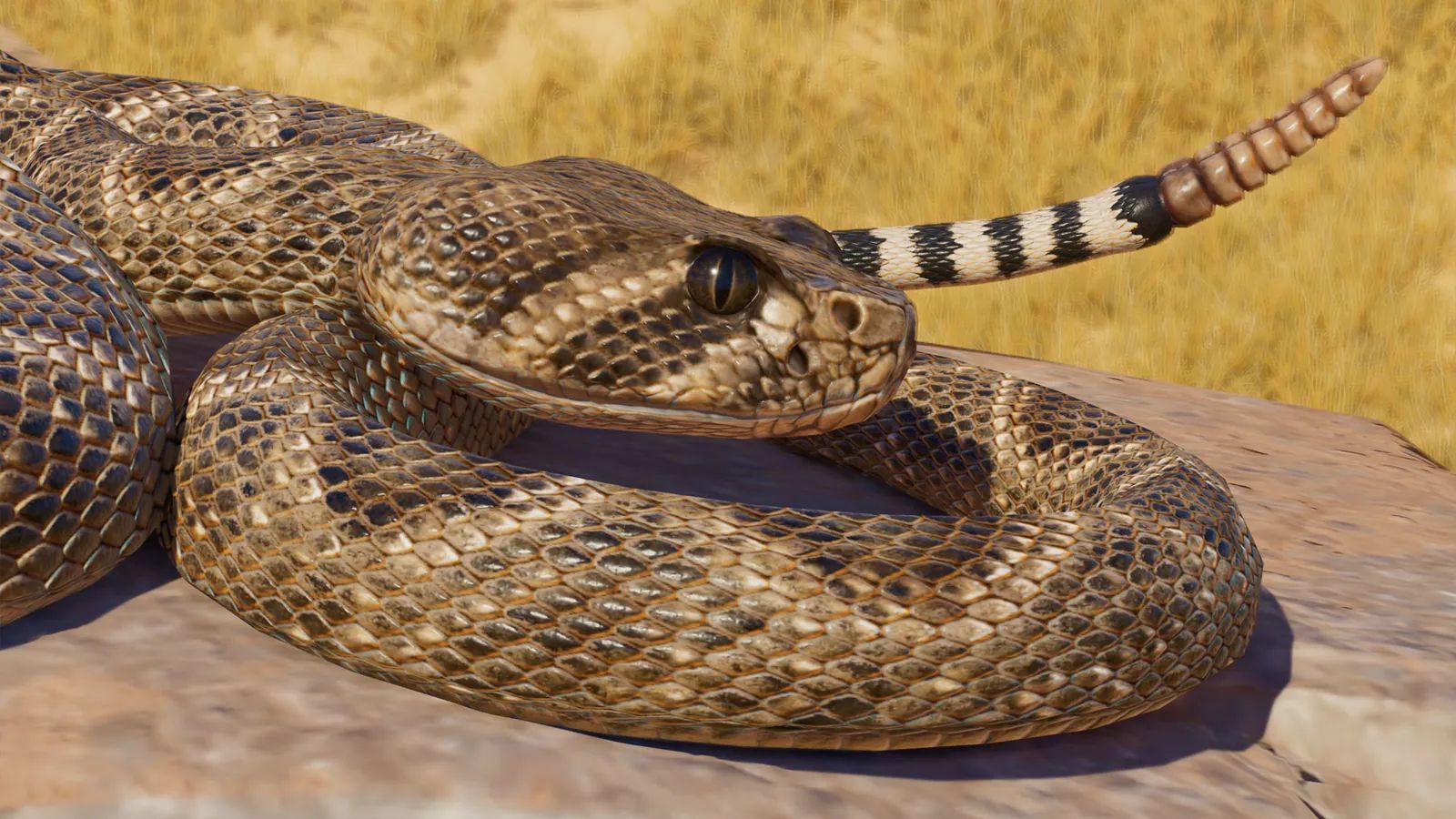
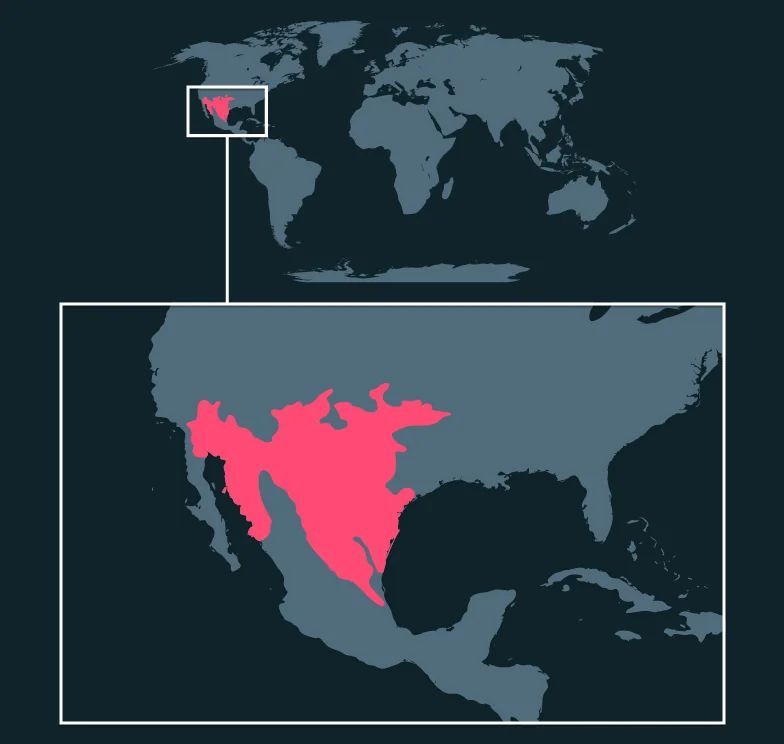
The Western diamondback rattlesnake (or Crotalus atrox) is a species of venomous snake native to the deserts, grassland and scrubland of the USA and Mexico. It is so named for the pattern of grey and brown scales on its back. It reaches an average length of 1.2m – although a specimen of 2.1m in length has been reported – and males are larger than females. It is a dangerous species that will strike if it perceives threat.



Size & weight
Size
Length: 1.2 to 1.4 m
Measured as Length. The person stands 1.75 m tall for scale.
Habitat needs
Environment
Temperature
24 to 30°C
Humidity
40-60%
Conservation
IUCN Red List
Least concern
Least concern
Critically endangered
The Western diamondback rattlesnake is considered a species of Least Concern. It is unlikely that any major threats affect this species, though some local populations are significantly affected by habitat destruction, vehicle traffic and human persecution. The Western diamondback rattlesnake is found in protected areas of North America but otherwise has no ongoing conservation actions. The long-term outlook for this species appears to be a slowly declining population across its wide native range, with a large and therefore resilient population.
Social & reproduction
Keeper notes
Western diamondback rattlesnakes are solitary animals. It is rare that they will encounter each other except when males search for mating partners, and they do not interact in the wild otherwise. Mating season occurs in Autumn. Males search for females by tracking pheromonal signals; the female will signal her receptivity by becoming passive and allowing the male to climb on top of her. He will put his whole body on top and wrap his tail underneath hers, and then they will mate. Between 6 to 7 months later, the mother will give birth to a litter of 8 to 25 offspring, which are independent from birth. They will reach sexual maturity by 3 years old.
Group and breeding
Lifecycle and breeding
Life expectancy
15-26 years
Gestation or incubation
6.5 months
Interbirth period
5.5 months
Litter size
1
Mating season
Autumn
Animal facts
- The Western diamondback rattlesnake is responsible for the most snakebite fatalities in Mexico and the USA.
- The rattle at the end of the Western diamondback rattlesnake's tail is used to create warning signals when it is threatened.
- The Western diamondback rattlesnake has a heat-sensing pit behind each nostril that allows it to perceive very slight differences in temperature in the environment; this makes it a formidable hunter.
- Western diamondback rattlesnakes eat only every 2 to 3 weeks in the wild.
- The presence of the Western diamondback rattlesnake is beneficial to humans because they keep rodent levels low.
Taxonomy
Class
Order
Family
Genus
Species