Overview
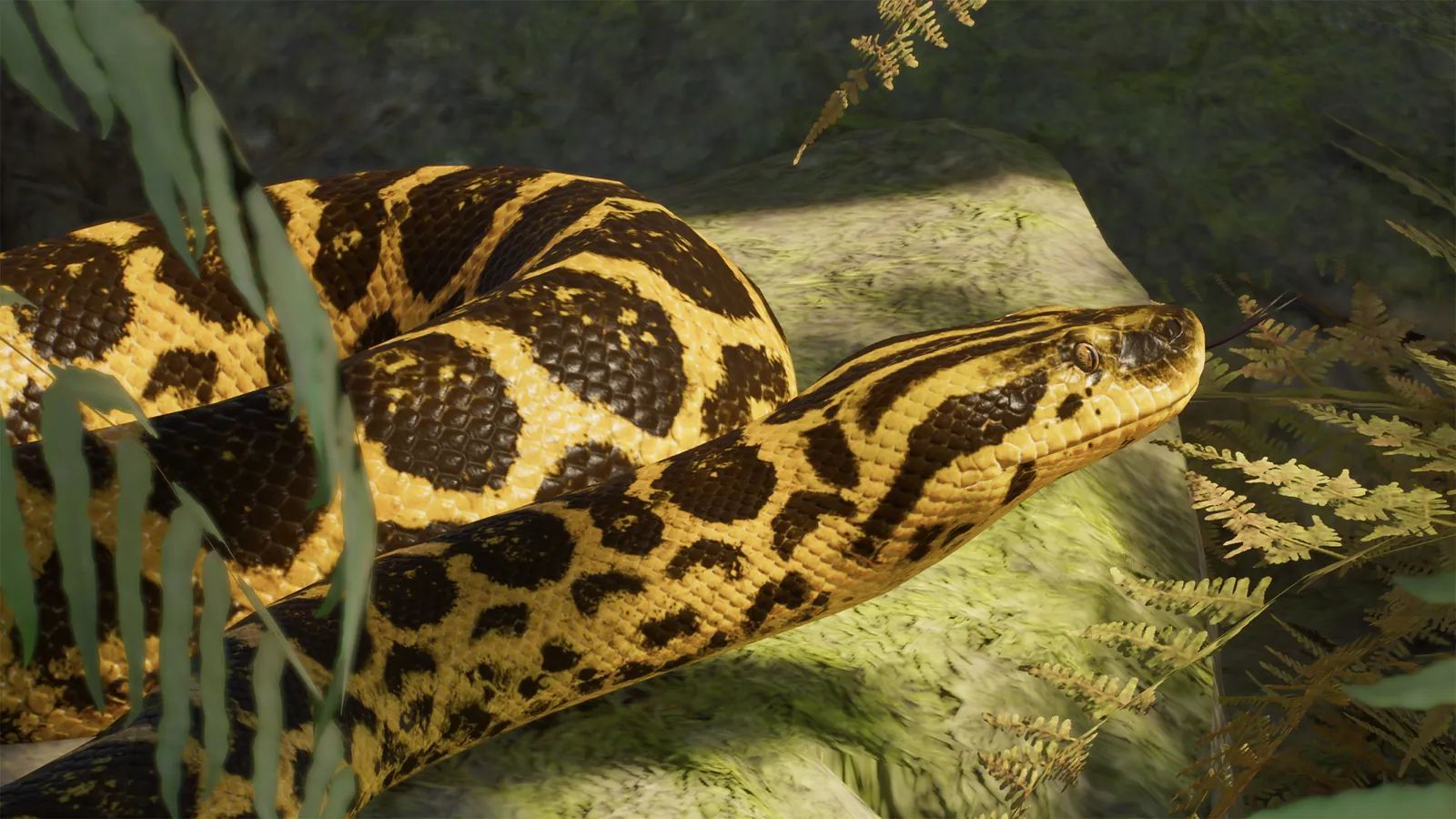
The yellow anaconda (or Eunectes notaeus) is a large species of constrictor snake that lives in the tributaries, swamps and marshes of the Paraguay river basin, found mainly in Paraguay, Bolivia, Argentina and Brazil. They have yellow scales with brown-black saddles across their back. The species is known for reaching large sizes: adults can reach an average length of 3.3m to 4.4m, as well as an average weight of 25kg to 35kg. The largest specimen ever recorded was 4.6m long and weighed 55kg.
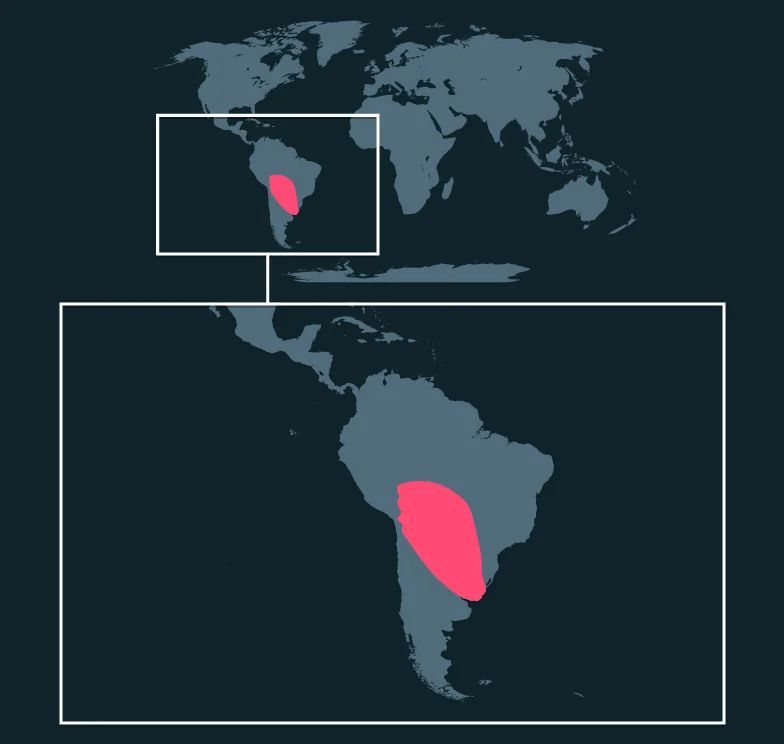
Found in South America
Regions
- South America
Biomes
- Savannah
- Wetlands
Size & weight
Size
Length: 3.95 m
Weight
Male
30 kg
Female
30 kg
Bars use a log scale against the heaviest animal in the Zoopedia, the Common Hippopotamus.
Measured as Length. The person stands 1.75 m tall for scale.
Conservation
IUCN Red List
Least concern
Least concern
Critically endangered
Yellow anacondas are considered a species of Least Concern. Historically, this species has been hunted primarily for its skin, and for food and medicine by traditional communities. Trade in wild, live specimens for the pet trade is considered negligible. After a period of totally banned trading in the 1990s, trade in yellow anaconda skins is now internationally regulated and tracked, and appears to occur at sustainable levels. The long-term outlook for this species appears to be a stable population in its native range, but the impact on wetland habitats and flooding cycles of future hydroelectric power plants is a potential threat.
Social & reproduction
Keeper notes
Yellow anacondas are solitary animals and do not interact in the wild. It is rare that they will encounter each other except when males search for females to mate with. Breeding season occurs between April and May. To mate, a female yellow anaconda will release pheromones attracting tracking males to her chemical signals. Throughout this process, it is possible that multiple males can find the same female. In this situation, anacondas may form a 'mating ball' in which many male snakes become entwined around one female. These balls can remain entangled for weeks. Usually, it is the largest male that wins access to the female in order to mate, which normally takes place in water. After 6 months, the female will give birth to between 4 and 82 live young, which are independent from birth and reach sexual maturity at 3 to 4 years old.
Animal facts
- The yellow anaconda is one of the largest species of snake in the world, second only to the green anaconda.
- Yellow anacondas do not stop growing throughout their lives.
- Yellow anacondas feed mostly on wading birds that they ambush from underwater.
- After a big meal, a yellow anaconda will not need to eat for several months.
- Yellow anacondas release a chemical that deters ticks from biting them.
Taxonomy
Class
Order
Family
Genus
Species