Overview
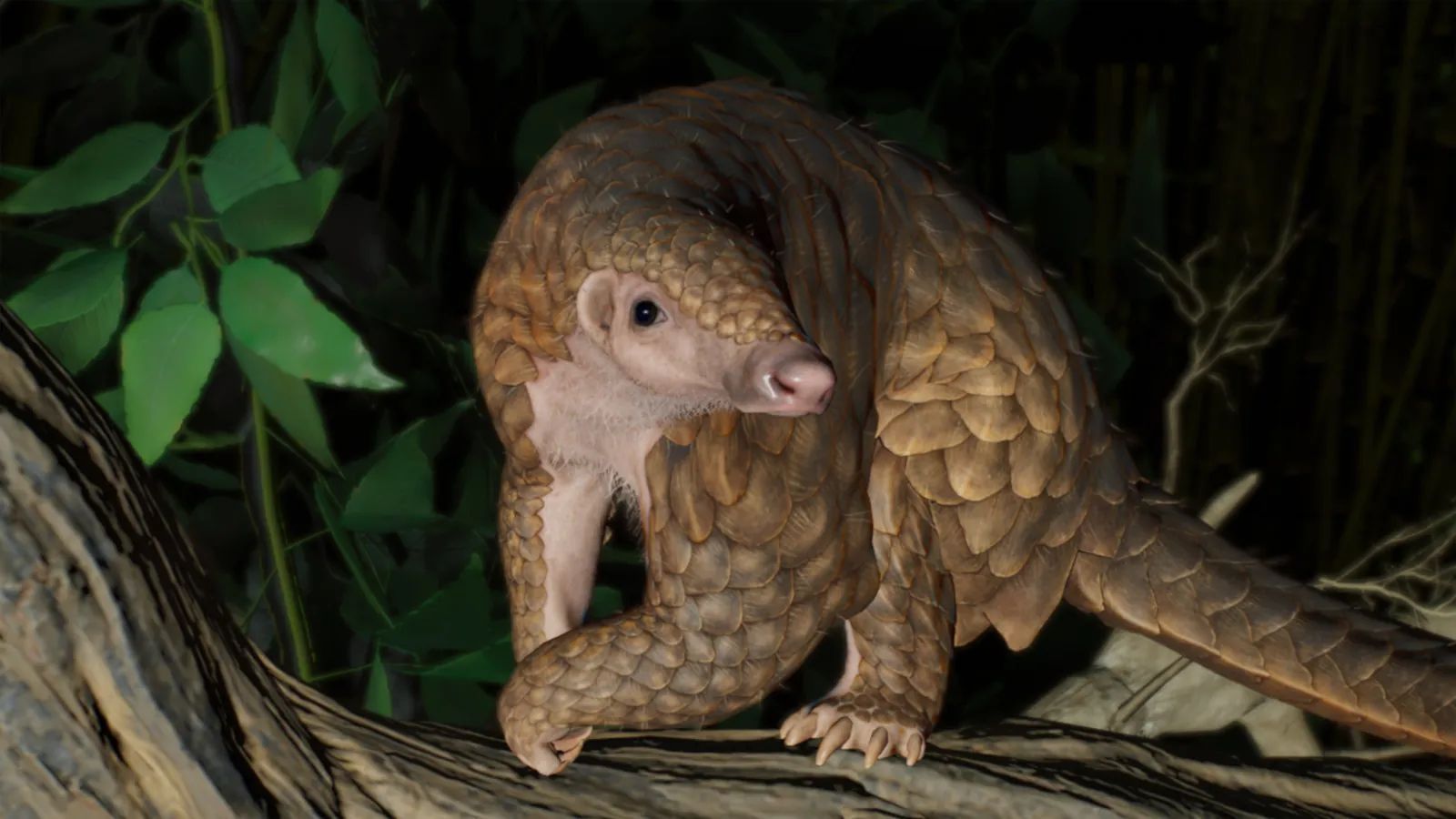
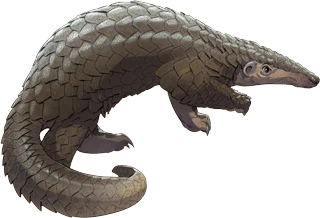
The Sunda pangolin (or Manis javanica) is also sometimes called the Malayan pangolin or Javan pangolin. It is a nocturnal mammal native to Southeast Asia and primarily inhabits tropical lowland forests, secondary forests, and sometimes plantations. The Sunda pangolin is easily recognised by its protective keratinous scales, which cover most of its body except for the underside, and its long, prehensile tail. Its colouration varies from brown to yellowish or olive tones, providing camouflage among forest foliage and leaf litter. Adults typically measure 40cm to 65cm in body length, with the tail adding 35cm to 55cm. They weigh between 4kg and 10kg, with males being slightly heavier than females on average.
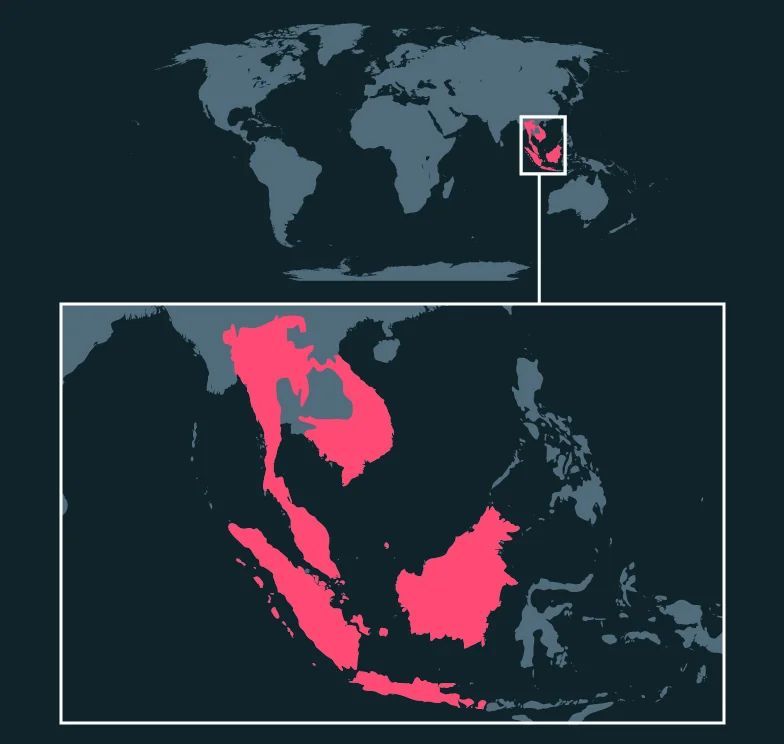
Found in Southeast Asia
Regions
- Asia
Biomes
- Rainforest
Size & weight
Size
Nose to rump: 0.48 m
Measured as Nose to rump. The person stands 1.75 m tall for scale.
Habitat requirements
Barrier grade
Grade 2 of 5
Minimum height
3 m minimum
Climbing & water
Climb proof
Needed
Water barrier
Not allowed
Combine this animal with others in the barrier planner.
Conservation
IUCN Red List
Critically endangered
Least concern
Critically endangered
The Sunda pangolin is Critically Endangered. It is considered to be the most heavily trafficked mammal in the world, being highly sought after for its meat and scales. It has suffered a catastrophic population decline across its range. In addition to heavy poaching pressure, pangolins are also affected by the ongoing deforestation of their rainforest habitat for logging, plantations, and urban and agricultural expansion. The slow reproductive rate makes it nearly impossible for population to recover naturally. The species is included in Appendix I of CITES, banning all international commercial trade. Many conservation groups are working with governments to strengthen anti-poaching patrols and raise public awareness about the ecological importance of pangolins. Rescue and rehabilitation centres care for confiscated individuals and, where possible, reintroduce them into secure protected areas. Here, research can be done to improve captive husbandry, and released pangolins can be radio-tracked for in-situ research. Public-facing education campaigns are also essential to reduce consumer demand for pangolin products and promote coexistence.
Zoopedia sketchbook
Social & reproduction
Keeper notes
Pangolins are solitary animals and spend their time alone, except during the mating season and when a mother is with her infant. Courtship behaviour in this species is not well documented in the wild, but observations from captivity suggest that males locate receptive females by scent and may follow them persistently during the breeding period. Sunda pangolins breed year-round, but conceptions may peak in the rainy season. Males sometimes engage in competition or following behaviour to secure access to a female. Mating generally occurs on the ground or in a sheltered area, and males and females part ways immediately afterwards. Gestation lasts approximately 180 days, after which the female gives birth to a single offspring (twin births are possible, but rare) inside a burrow or tree hollow lined with vegetation. At birth, a pangolin pup has soft, pale scales that harden after a few days. The infant remains in the burrow for several weeks, after which the mother carries it curled up on her tail or back when foraging. The juvenile begins to eat solid food after about 3 months and is weaned by 4 months old. Young pangolins become independent of their mother by 5 months old. Sexual maturity is reached at 2 years old.
Animal facts
- The Sunda pangolin’s body is protected by over 1,000 keratin scales. They make up about 20% of its body weight and act like natural armour against predators.
- Sunda pangolins are excellent climbers, using their prehensile tails to grip branches while feeding or moving through the forest canopy.
- The pangolin's tongue can be 40cm in length; they use it to hunt and eat ants and termites. A single pangolin eats up to 70 million insects per year.
- Pangolins do not have teeth. Instead, they swallow small stones that remain in their stomach and help grind up their food after ingestion.
- When threatened, pangolins will curl up into a tight ball, relying on their tough scales to protect themselves.
Taxonomy
Class
Order
Family
Genus
Species