Overview
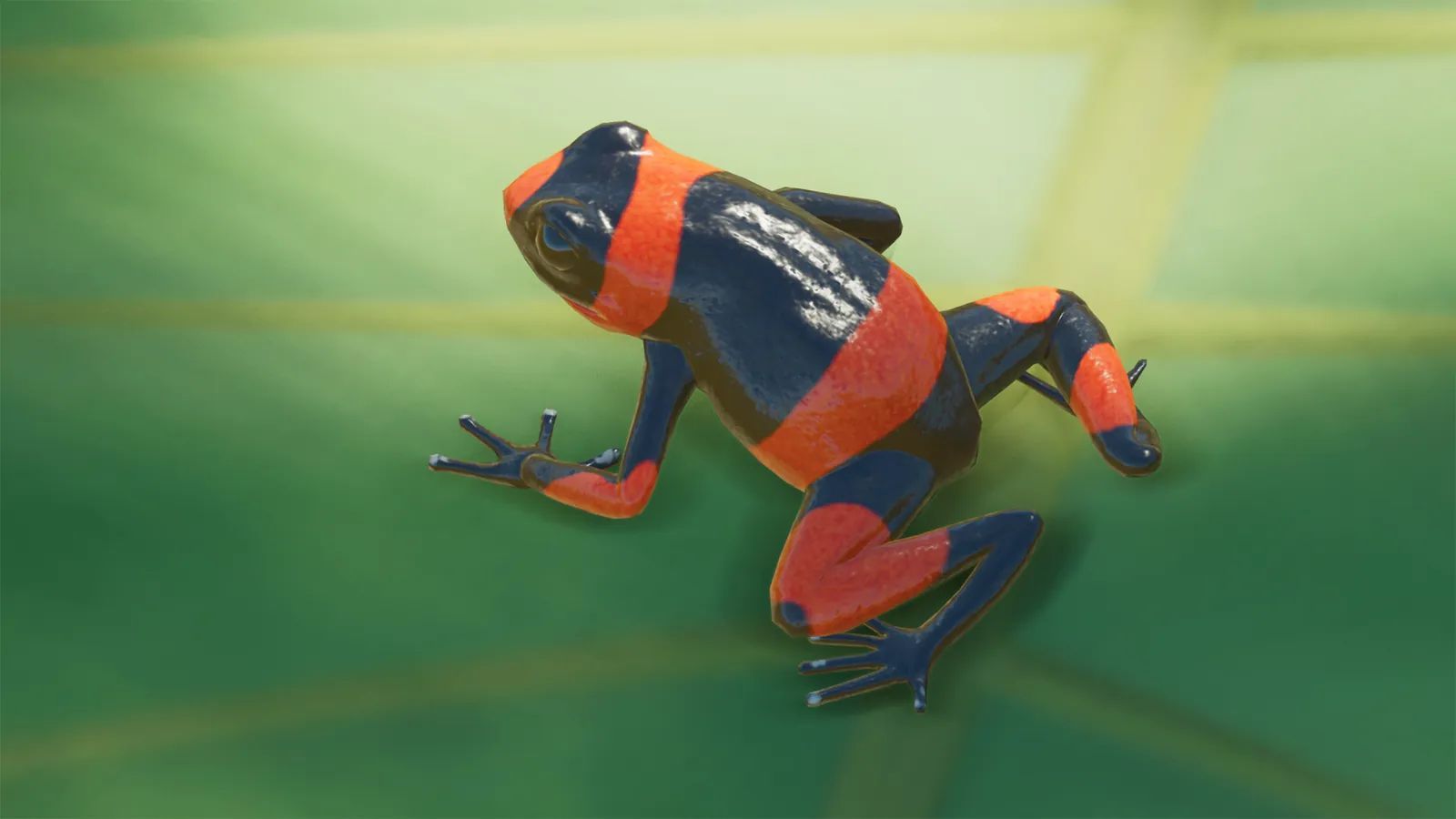
Lehmann's poison frog (or Oophaga lehmanni) is a species of amphibian endemic to the Colombian rainforests of the Anchicaya valley, and cannot be found anywhere else in the world. Preferring to live on the forest floor, the frog can occasionally be found residing on low branches and bushes, distinguished by the thick dark brown to black banding on its back, head and legs. In between these are bright lines of colouration that can occur in red, yellow and orange colour morphs. The frogs are an average of 31mm to 36mm in length when fully grown.
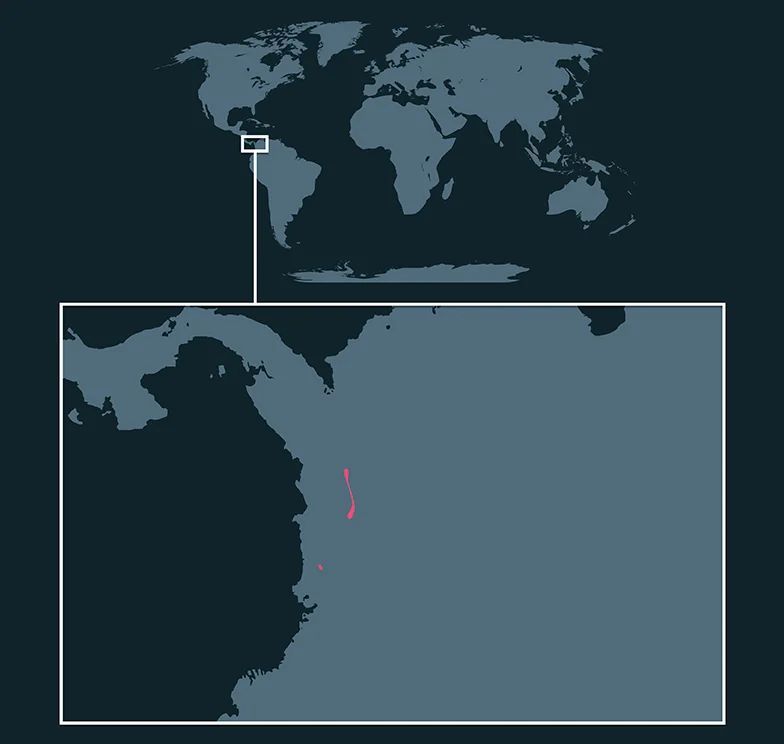
Found in South America
Regions
- South America
Biomes
- Tropical
Size & weight
Size
Length: 0.03 m
Measured as Length. The person stands 1.75 m tall for scale.
Habitat needs
Environment
Temperature
26 to 31°C
Humidity
80-90%
Conservation
IUCN Red List
Critically endangered
Least concern
Critically endangered
Lehmann’s poison frog is a Critically Endangered species. It is primarily threatened by overexploitation for the pet trade, and additionally under pressure from habitat degradation in their very small native range. Due to their striking colouration, the small frogs are extremely popular pets for amphibian enthusiasts, and are illegally taken from the wild to meet demand. Lehmann’s poison frogs rely on bromeliads for breeding, which are often removed for ornamental purposes and due to forest conversion for farming and logging. The natural habitat of Lehmann’s poison frog is protected in some national parks and reserves, and the species is also restricted for the international trade by being listed in CITES Appendix II. However, enforcement of these legislations needs to be improved, and captive breeding is encouraged to provide a better and more sustainable legal supply in the pet trade. Further research into the habitat and breeding of this species is required to enable future conservation actions.
Social & reproduction
Keeper notes
Lehmann's poison frogs are solitary animals, only interacting with other frogs in order to mate. After the rainy season, the males search the damp forest floor and low-hanging branches for a suitable area for eggs to be laid. Once a good spot has been identified, the male frog starts making high pitched calls to attract a female who – if impressed with the area he has selected – will lay several large eggs there. The male then fertilises and protects the batch of eggs for the next 4 weeks, turning them over to ensure they remain damp on the forest floor. Just as the young are about to hatch, the male will take them to separate pools of water, feeding them with unfertilised eggs after they're born. After 2 to 3 months, the tadpoles mature into froglets and become independent, becoming sexually mature after approximately one year.
Group and breeding
Lifecycle and breeding
Life expectancy
7-12 years
Gestation or incubation
1 month
Interbirth period
10.9 months
Litter size
1-4
Mating season
Spring and Summer
Animal facts
- The frog's colouration acts as a warning to potential predators that it is toxic. The toxins on the frog's skin cause intense pain and swelling.
- The frog's natural range is very small at 10km² so it is vulnerable to habitat loss through deforestation.
- Overexploitation has been a threat to the frog – the pet trade capitalises on its unique colouration and patterning.
- Lehmann's poison frog tadpoles often grow into froglets in small pockets of water in hollow trees or bamboo branches.
- The tadpoles are also cannibalistic, so the father will separate the eggs before they hatch.
Taxonomy
Class
Order
Family
Genus
Species