Overview
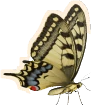
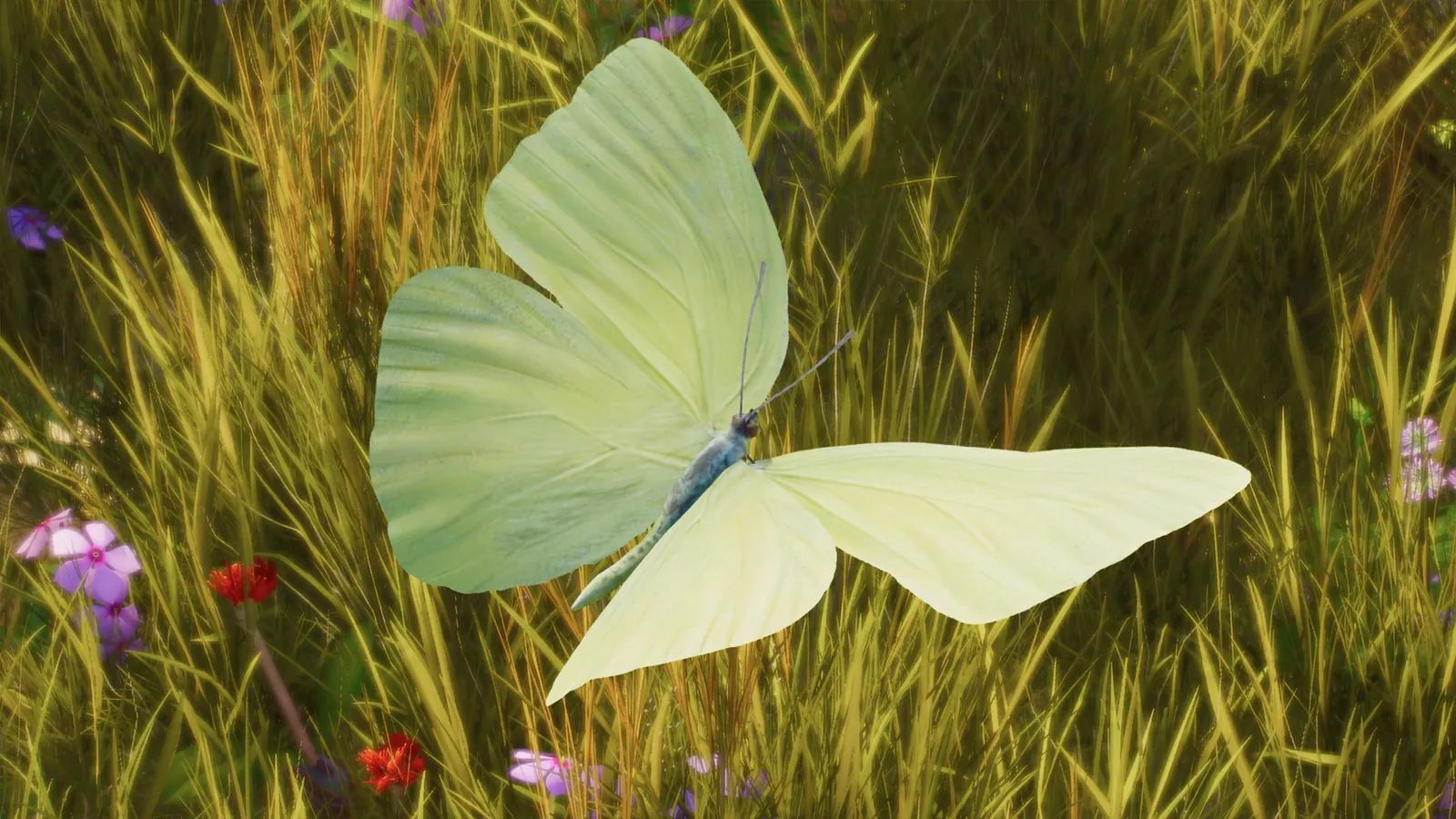
The cloudless sulphur (or Phoebis sennae) is a butterfly found in temperate open areas – grasslands, parks, gardens, watercourses and seashores – of North, Central and South America. It has yellow wings with brown and/or black spots and borders. Caterpillars of the cloudless sulphur are bright yellow or green with a yellow stripe and blue spots along each side. The chrysalises are either yellow or green with pink or green stripes. Females tend to be less vibrant than males and have yellow spots along the dark wing borders. The cloudless sulphur has a wingspan of 5.5cm to 7.8cm.
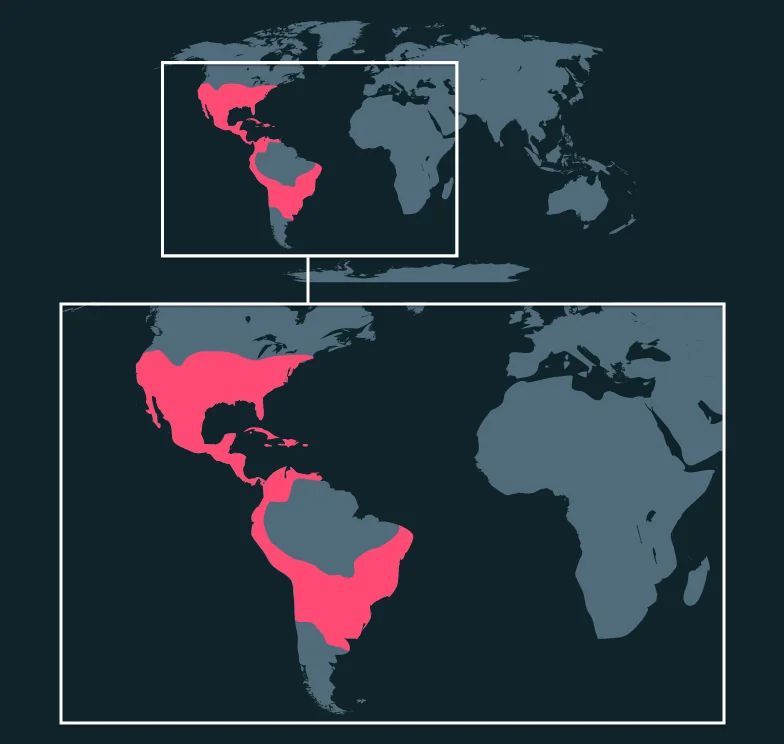
Found in North and South America
Regions
- North America
- South America
Biomes
- Savannah
- Taiga
- Temperate
Size & weight
Size
Leg span: 0.07 m
Measured as Leg span. The person stands 1.75 m tall for scale.
Conservation
IUCN Red List
Least concern
Least concern
Critically endangered
Cloudless sulphurs are widespread across their range and are considered a species of Least Concern. There are no large-scale threats to the species, but regional declines are linked to land use change from agriculture, habitat degradation and climate change. The Cloudless sulphur larvae is consumed as a food source in part of its range. It is also regularly bred in captivity for butterfly houses, though it is unclear how many may be collected from the wild. This species regularly occurs in protected areas across its range, and no specific conservation actions are required. Its population is known to fluctuate according to natural conditions. More research is needed to monitor local population stability and habitats to ensure its long-term outlook.
Social & reproduction
Keeper notes
The cloudless sulphur is solitary and has no social requirements. Individuals only spend time with others during the mating season. Breeding seasons in cloudless sulphurs depend on the region, occurring year-round for warmer regions while being restricted to midsummer to autumn in colder areas. Male cloudless sulphurs patrol flower patches looking for receptive females to mate with. Should a male find one, he will land beside her and flick her wings with his legs and wings. If she accepts his advances, they will mate by facing away from each other and joining their abdomens. Shortly after the mating event, she will lay her eggs one by one with a single egg per leaf. Eggs hatch after 6 days. The caterpillars feed on senna plants for a period of 14 to 30 days before beginning to spin a chrysalis. Cloudless sulphurs pupate in the chrysalis for 10 to 14 days and then emerge as an adult butterfly. Depending on the time of year during emergence, adult butterflies may either look for a mate, or search for a place to hibernate. Cloudless sulphurs die after mating, meaning those who hibernate before reproducing may live up to 9 months.
Animal facts
- The cloudless sulphur is a migratory butterfly, with populations from the USA often travelling to Mexico or the Caribbean to overwinter.
- When migrating, the cloudless sulphur can travel 20km a day.
- The cloudless sulphur is often observed feeding from mud; it is thought that this may be a source of salt for the butterfly.
- The chrysalis of the cloudless sulphur looks like a leaf, and the pupa inside will wriggle when touched to scare off predators.
- The egg of the cloudless sulphur is pure white when first laid, but becomes yellow-orange as it approaches hatching time.
Taxonomy
Class
Order
Family
Genus
Species