Overview
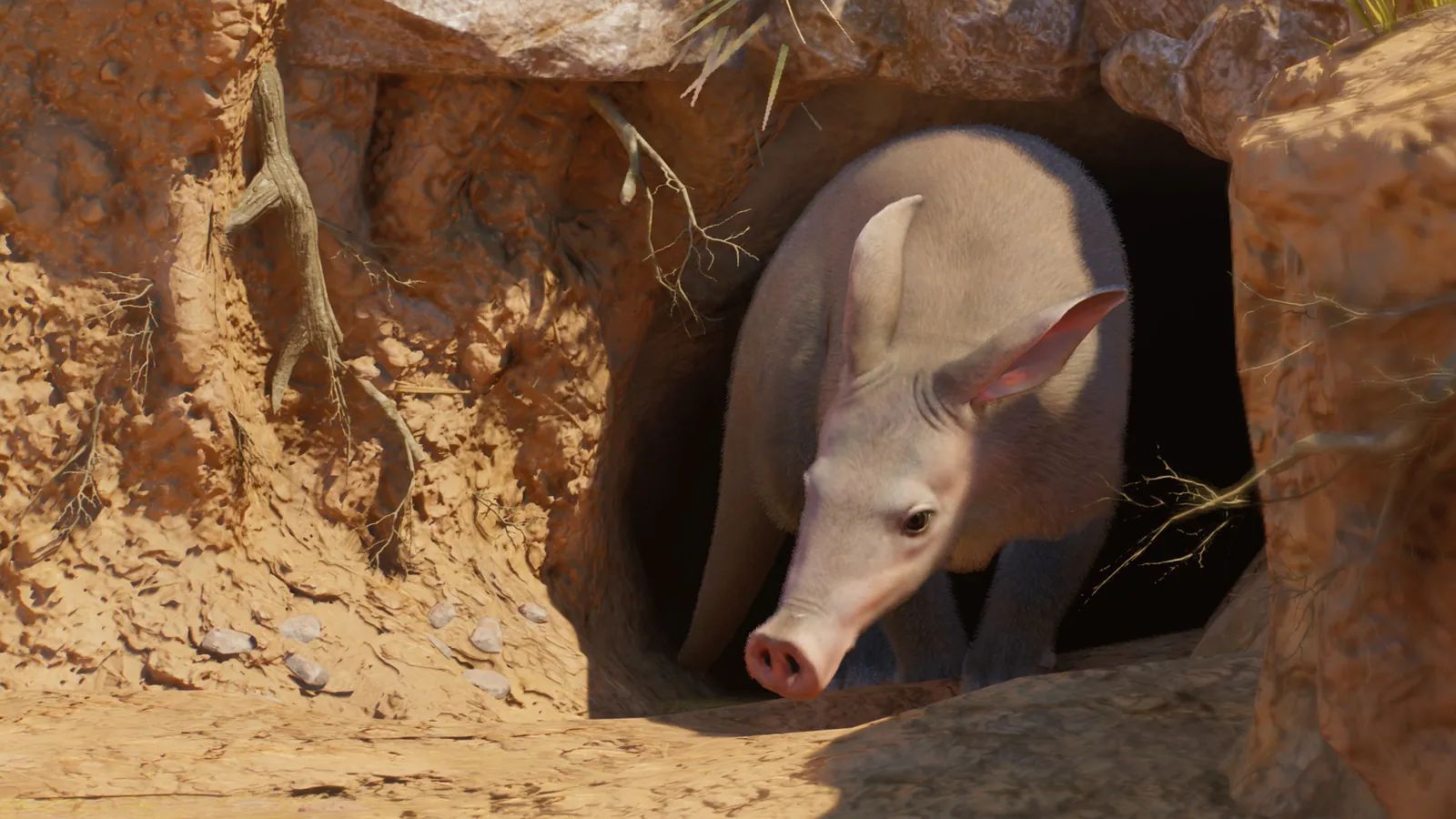
土豚 (学名:Orycteropus afer) 是生活在撒哈拉以南非洲地区的中型食虫动物。 它们的皮肤为粉灰色,毛发稀疏粗糙,有细长的大耳朵和头部,头部尖端有状似猪鼻的口鼻部。 雄性的体型略大于雌性,但两性体长大多介于 105 至 130 厘米之间,尾长 60 至 70 厘米,体重则介于 40 至 65 公斤之间。
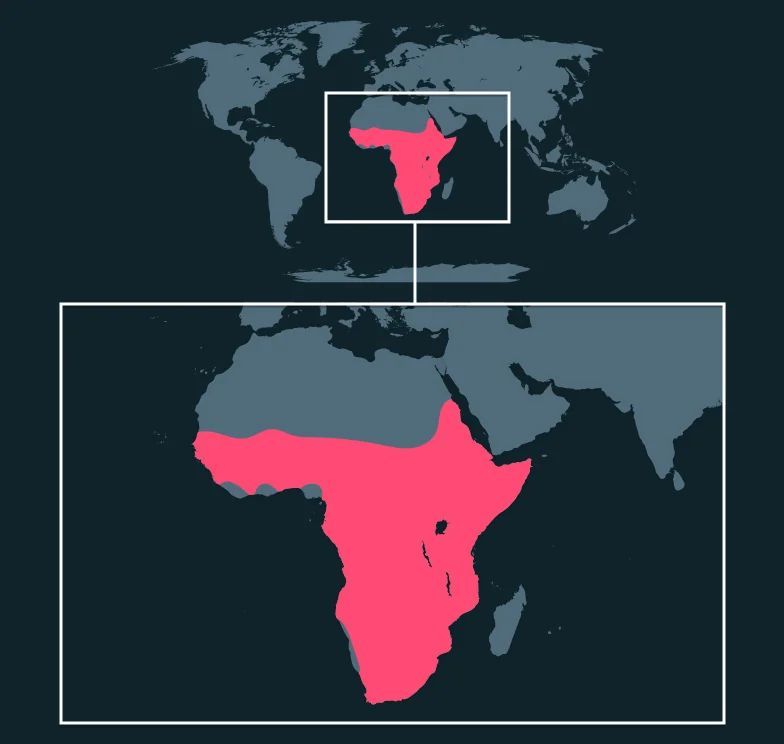
Found in 非洲
Regions
Biomes

栖地要求
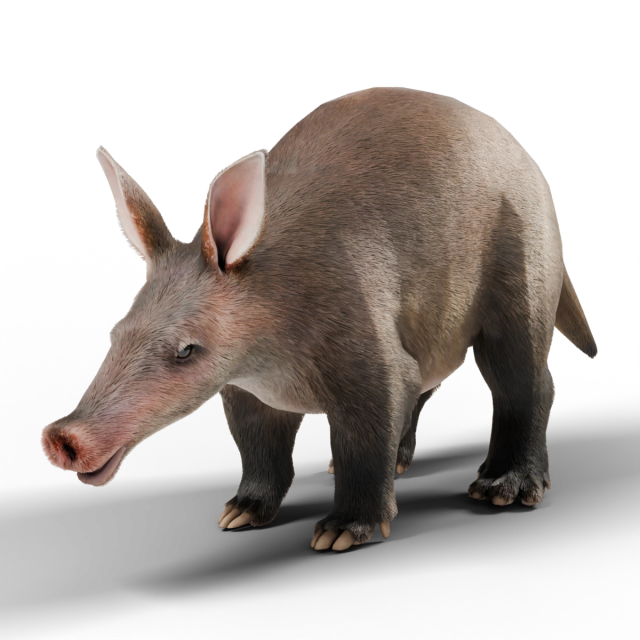
Adult
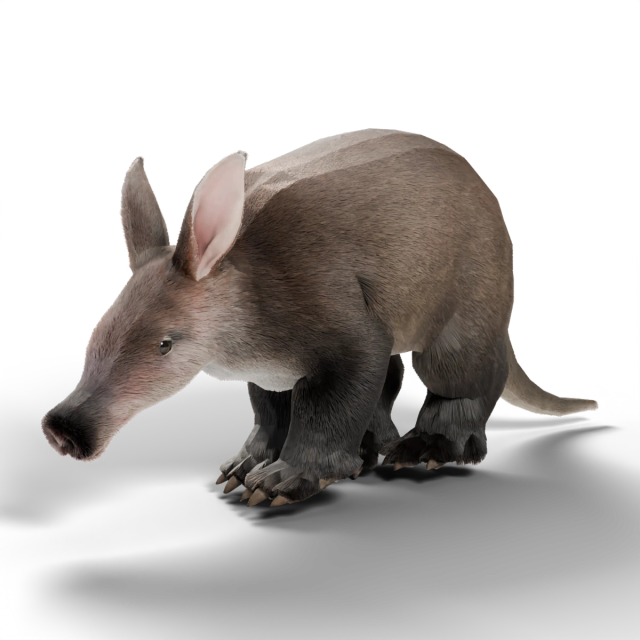
Juvenile
Colourmorphs
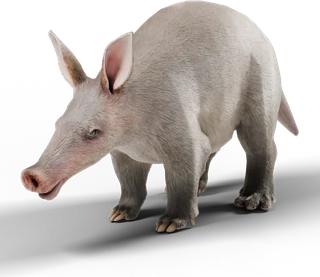 白化
白化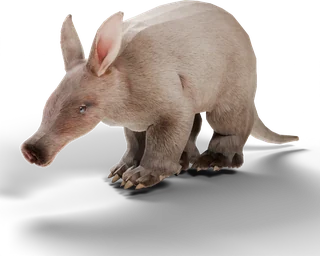 白化
白化栖地需求
Size
肩高: 66 cm
环境
Male
50 kg
Female
50 kg
Bars use a log scale against the heaviest animal in the Zoopedia, the 河马.
地形
Juvenile weight
12.5 kg
Measured as 肩高. The person stands 1.75 m tall for scale.
饮食与丰富化
Barrier grade
Grade 2 of 5
Minimum height
1 m minimum
Climbing & water
Climb proof
Not needed
Water barrier
Not allowed




IUCN红色名录
Minimum area
Land
160 m² + 每多一只动物80 m²
Shelter
每只动物10 m²
Environment
Temperature
14至36°C
Plant coverage
0-25%
Enclosure
栖地
Dislikes
Rain and snow
Terrain
- 草地20-70%
- 沙0-30%
- 土20-50%
- 岩石0-20%






Conservation
群体与育种
无危
Least concern
Critically endangered
土豚并不是濒危物种,但在某些地区为易危物种。在野外,它们需要广阔的觅食范围才能获得足够的食物,因此农田与城市扩张这类土地利用的变化都会对它们造成影响。农民有时会为了防止土豚挖掘农田而将其杀害,此外,杀虫剂会杀死它们赖以为食的昆虫,也对它们有不良影响。气候变化引发的频繁干旱同样对蚂蚁和白蚁种群的数量造成了负面影响。 土豚在国家公园和自然保护区内受到保护。
Zoopedia sketchbook
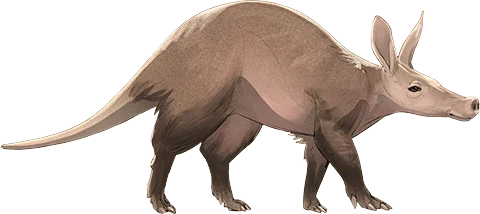
动物资料
Keeper notes
除了土豚妈妈会带着幼崽行动以外,土豚通常独自生活。它们只会在交配或竞争配偶时有所互动。 交配季节来临时,雄性土豚会通过气味追踪雌性土豚到它们的洞穴,并在那里待上几天。如果雌性土豚愿意,雄性土豚便会与它交配,然后离开洞穴。雄性土豚在交配季节可能会与多只雌性土豚交配。 雌性土豚在怀孕 7 个月后会产下 1 只小土豚,小土豚会与母亲一起生活 6 个月,学习如何觅食和挖掘洞穴,之后便会离开并挖掘自己的洞穴。 土豚会在 2 岁时达到性成熟。
Group and breeding
Group
Group size
1-2 只 (最多 1 只雄性,最多 1 只雌性)
Male bachelor group
1-2
Female bachelor group
1-2
Offspring dispersal
无
Lifecycle and breeding
Life expectancy
18-28年
Age of sexual maturity
2年
Age of sexual sterility
死亡时
Gestation or incubation
7 个月
Interbirth period
17 个月
窝产仔数
1
Mating system
一雄多雌制
Mating season
夏季
Reproduction in captivity
简单
相关动物
Research levels
| Level | Unlocks | Research gate |
|---|---|---|
| Level 1 | Thriving Requirement 1: Animal Burrow, at least 2 | |
| Level 2 | Aardvark Fact Sheet | |
| Level 3 | Thriving Requirement 2: at least 5 objects or plants with the Bushes tag | |
| Level 4 | Thriving Requirement 3: Food Grade 2; Fertility Level 1 (+15% fertility) | Before this level: an Observation Network (Observation Platform) in Great Rift Valley Reserve and this species released in Great Rift Valley Reserve |
| Level 5 | Thriving Requirement 4: Natural Termite Mound, at least 2 | |
| Level 6 | Thriving Requirement 5: Heavy Soil terrain; Fertility Level 2 (+30% fertility) |
Researched by
兽医
Researched at
栖地或展示区与研究中心
Wildlife Reserve
东非大裂谷野生动物保护区
Every level of this species' research, with its unlock conditions.
Release groups
Valid release groups
| Group | Type | Animals |
|---|---|---|
| Maternal Family Group | Female group | 1 female |
| Solitary Male | Solitary male | 1 male |
Release requirements
| Requirement type | Requirement |
|---|---|
| Ecosystems Required | Either Savannah or Shrubland |
| Nature Requirements | Burrows |


Release groups, reserve requirements and the roles this species fills.
Animal facts
- 土豚的前脚只有四根脚趾,可能是为了挖掘而逐渐演化成如今“铲状”的脚形。它们的鼻孔内有粗毛,而且可以完全闭合,以防止泥土在挖掘时进入鼻内。
- 雌性土豚的尾巴尖端为白色,研究人员认为这能让小土豚在黑暗的洞穴中或觅食时更容易跟紧妈妈。
- 土豚有长达 30 厘米的舌头,富有黏液的长舌可伸进蚂蚁和白蚁巢穴的孔道中,一次吃进许多昆虫。
- 废弃的土豚洞穴会成为其他动物的重要栖地,一般是疣猪和鬣狗。
- 土豚与“土豚黄瓜”这个物种具有共生关系,这种植物生长在地下,完全依靠土豚来传播种子。除了昆虫以外,土豚唯一会食用的食物就是土豚黄瓜。
Taxonomy
Class
Order
Family
Genus
Species