Skip to content
WikilyWIKILY
All games17 Wikis · pick your game
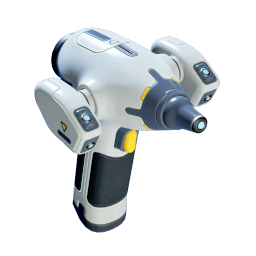
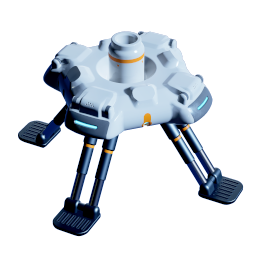
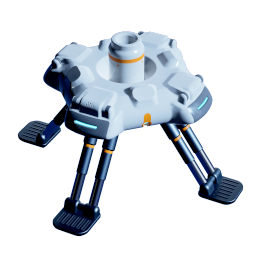
Dive Elevator
● Utility · Habitat Builder

Dive Elevator

Underwater elevator. Ideal for establishing work sites.
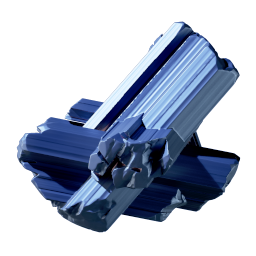
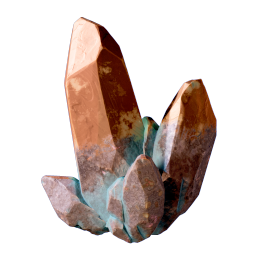
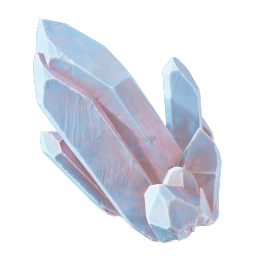
Built with the Habitat Builder from 4 Titanium, 2 Copper and 2 Quartz.

Profile

Reference
Crafted at
Habitat Builder
Menu
Habitat Builder › Utility › Utility
Blueprint scans needed
2 scans
Crafting calculator
All items

Recipe

Station, ingredients and result

Crafting calculator

Raw materials for any amount

What to build

Dive Elevator

Materials needed

8

Items to gather

3

Material types

1

Craft actions

Raw materials to gather

Blueprint unlock

How the recipe is learned
Scan 2 × Dive Elevator

On the map

Blueprint fragments, data cards, crates and lockers
Open the full map

Databank

Dive Elevator
OPERATING INSTRUCTIONS Construct with builder tool up to 100 meters above target worksite. Grab handles and pull up/down to ride elevator. Touch elevator rail to call elevator. Supports up to four passengers. Attach lockers, oxygen generators, work lights and other deployables to the four external hardpoints. BACKGROUND This dive elevator is not a catalogued Alterra product. It moves workers and cargo quickly between a deep worksite and a safer position above. Applications include mining, investigation, and wreck exploitation/recovery. The elevator cab is a titanium EVA work truss that rides a greased rail. Microsignatures on the rail include the words 'MANTIS' and 'GURU MEDITATION'. This may be a personal memento from the blueprint designer. The blueprint supports rails up to 100 meters long. Touching the rail's grease changes its surface capacitance, signaling the elevator cab. The cab adjusts its buoyancy with internal pumps and osmotic membranes - no external power required. HEALTH WARNING Divers breathing compressed air, such as that provided by an entry-level AER tank and regulator, are at risk of serious health complications during rapid ascents. These risks should be controlled by your AEP suit, pioneer nanotechnology, and (possibly) the effects of previous pressure tolerance adaptations.
Loading discussion...