

Axum Bacterial Culture
Profile
Category
- World
- Subcategory
- Resources
- Entries in Resources
- 23
- Words
- 183
PDA entry
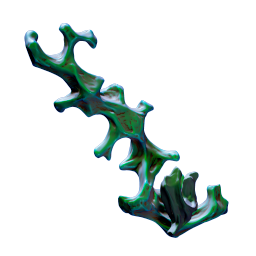
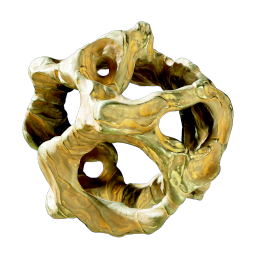
- A live culture of Protean microbes (Monobiota), single-celled scyllidae algae, and large sea viruses of the clade Titanoviridae growing on a metal filigree. These organisms constantly exchange fragments of genetic code through the transfer of Proteavirus and smaller viral phages.
- The microbes in the culture have been selectively bred in cooperation for hundreds of thousands of generations. Specific environments trigger biochemical cascades, transforming the culture into a component in a larger system. When placed in an Axum metal farm, for instance, the culture grows conductive filaments to draw dissolved metal from the seawater.
- The cross-scale interactions within the culture are beyond the analytical comprehension of a PDA, even deploying the latest quantum DFT techniques. But several deductions are possible: - A multipurpose starter for Axum biotechnology - Cannot be fabricated, even by a biobed (at least without extensive retraining on Protean biology) - Will not grow beyond a critical size - Internal complexity will collapse if divided
- The culture was likely bred to grow only when exposed to specific, secret chemical signals - perhaps an attempt to retain control of valuable biocapital.
- Assessment: precious, non-renewable component in Axum-derived technology.

Related entries
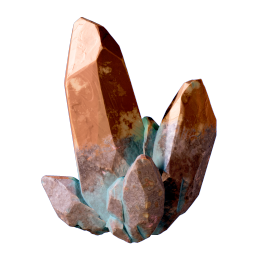
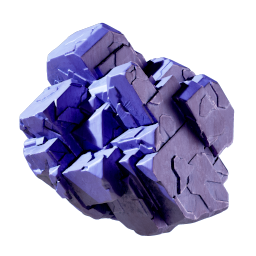
Atacamite (Cu2Cl(OH)3).
A bewildering blend of ocean metals and microbial products.
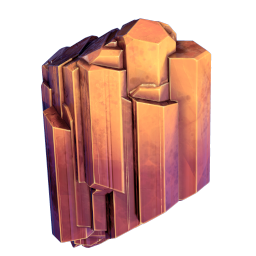
Celestine (strontium sulfate, SrSO4).
Kagome optical fibers derived from shock quartz.
Copper (Cu), element 29.
An egg cluster laid by the deepwing brooder, Titanotagmatapterya amalthea.
Germanium (Ge), element 32.
Gold (Au), element 79.
Lead (Pb, element 82).
Lithium (Li), element 3.
Debris from a human habitat or vehicle.
Hardened industrial runoff.




Loading discussion...