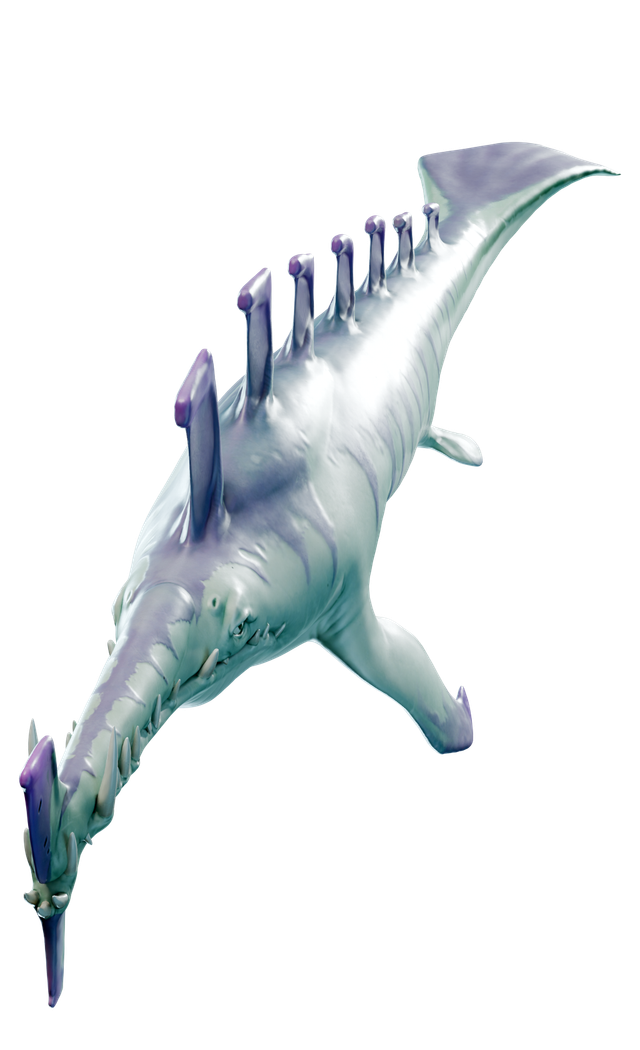
Stalker
- 300Health
- 20Attack damage
- 5 m/sTop speed
- AggressiveBehaviour
Profile
- PDA category
- Carnivores
- Health
- 300
- Top speed
- 5 m/s
- Acceleration
- 10 m/s²
- Scan time
- 7 s
- Bioreactor energy
- 560
Egg
- Stalker egg
- Alien containment
- Grows and breeds
- Days to grow
- 1.5
As an item
spawn stalker 1Amount
The console is off until Shift is held while pressing Enter or the backquote key (`). After that, backquote opens and closes it, Enter opens it and Escape closes it.
Attacks
Behaviour
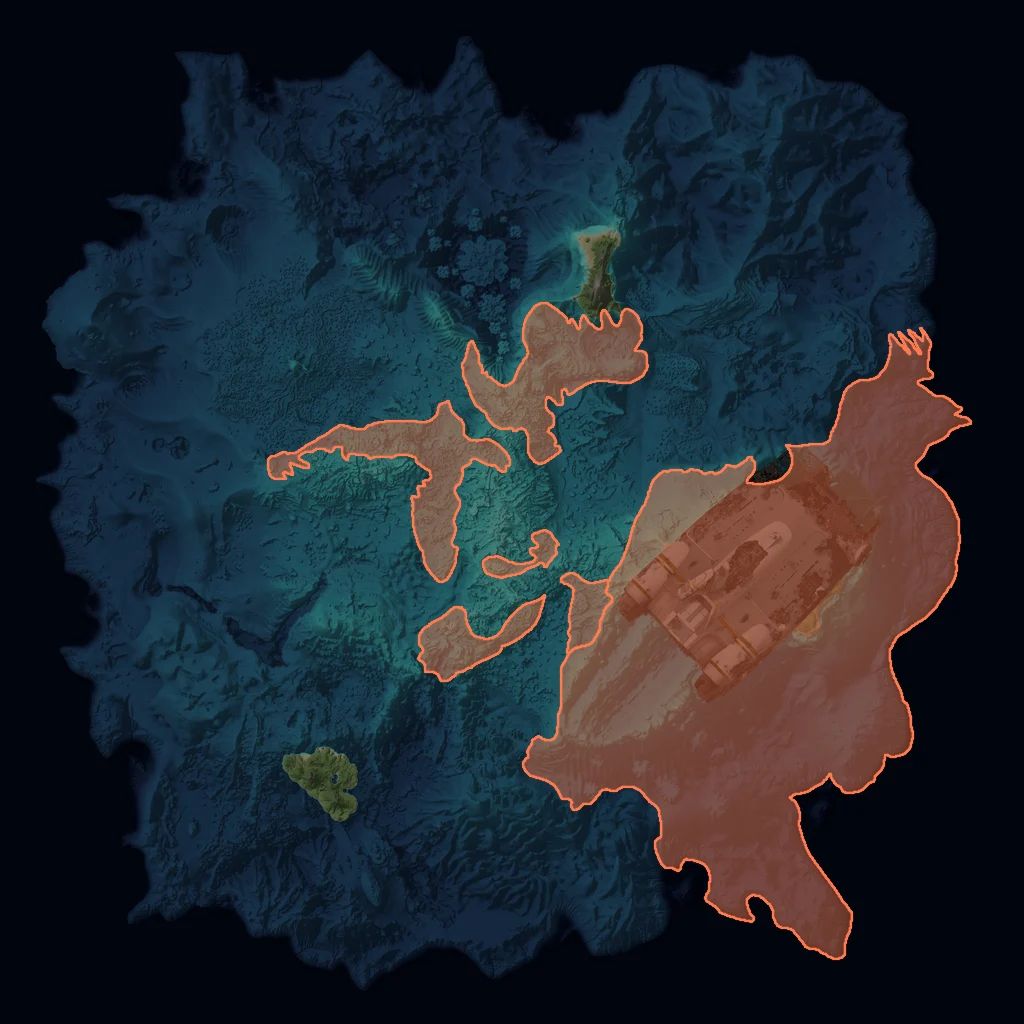
Spawn locations
PDA entry
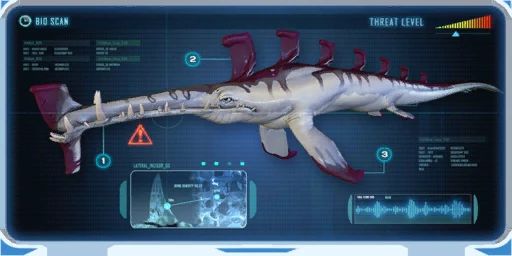
A streamlined predator encountered in the kelp forests in wait of prey leaving the safety of the shallows to feed. The stalker likely carved out its evolutionary niche at the sweet spot between speed and size millions of years ago, and may be one of the oldest species on the planet.
The stalker appears to be attracted to titanium deposits, which tends to sharpen and put stress on its teeth.
As with many predators, it may be possible to temporarily distract hungry stalkers by feeding them.
1 Teeth
The stalker's teeth are unusually hard, and fast-growing. Its elongated snout can deliver huge biting pressure to larger attackers, while also being used to reach small herbivores seeking refuge amongst the rocks.
2 Night-vision
Retinal layering on the eyeball suggests adaptation for night-time hunting.
3 Dorsal Ridges
These ridges can be moved independently to deliver superior maneuverability.
4 Pelvic Fins
Long and powerful, the stalker has evolved to hunt the fastest of prey.
Assessment Stalker teeth may have applications in enameled glass fabrication