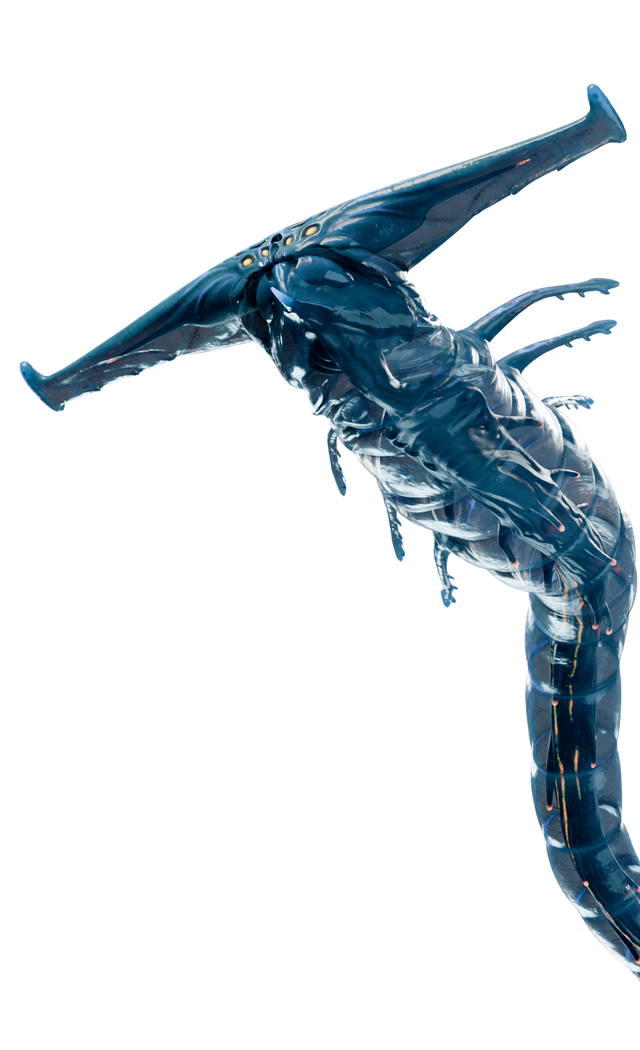
Ghost leviathan juvenile
- 8,000Health
- 55Attack damage
- 15 m/sTop speed
- AggressiveBehaviour
Profile
- PDA category
- Leviathans
- Health
- 8,000
- Top speed
- 15 m/s
- Acceleration
- 10 m/s²
- Scan time
- 7 s
spawn ghostleviathanjuvenile 1Amount
The console is off until Shift is held while pressing Enter or the backquote key (`). After that, backquote opens and closes it, Enter opens it and Escape closes it.
Attacks
Behaviour
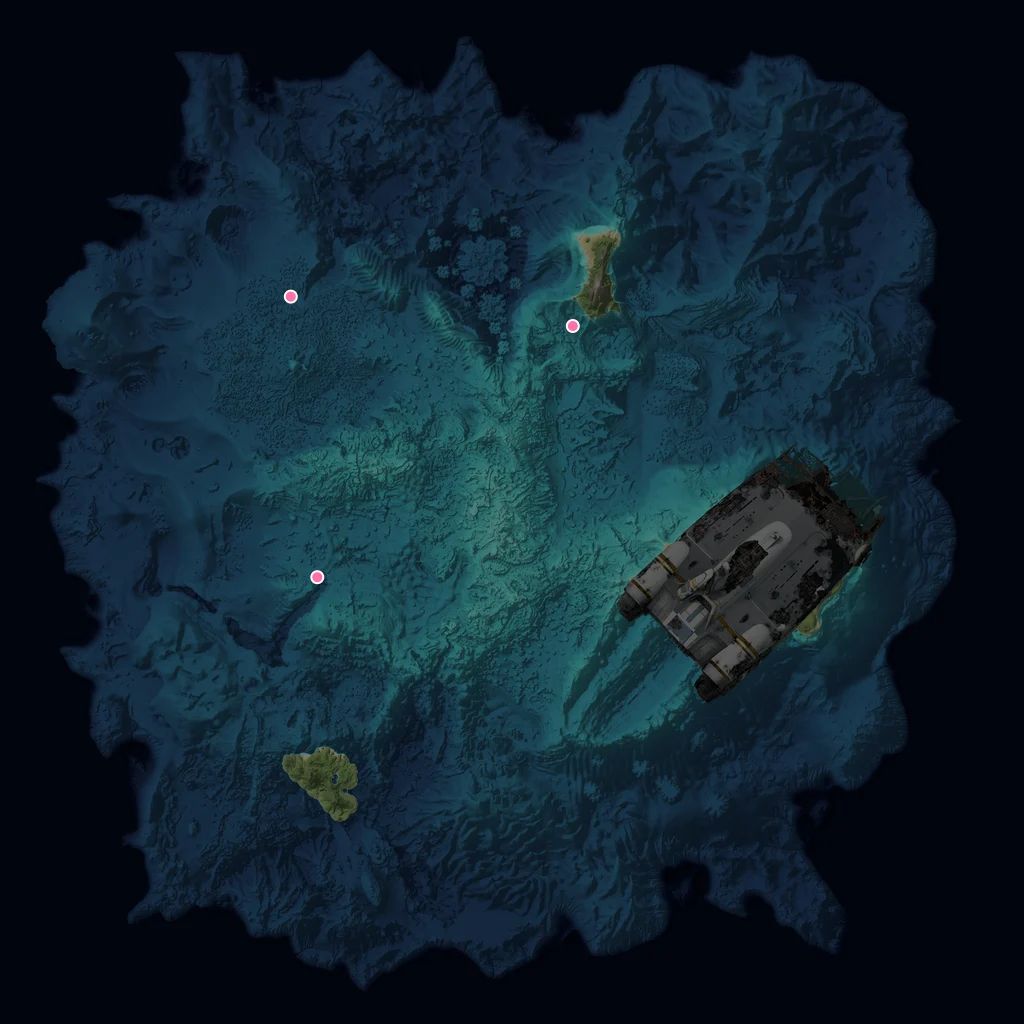
Spawn locations
PDA entry
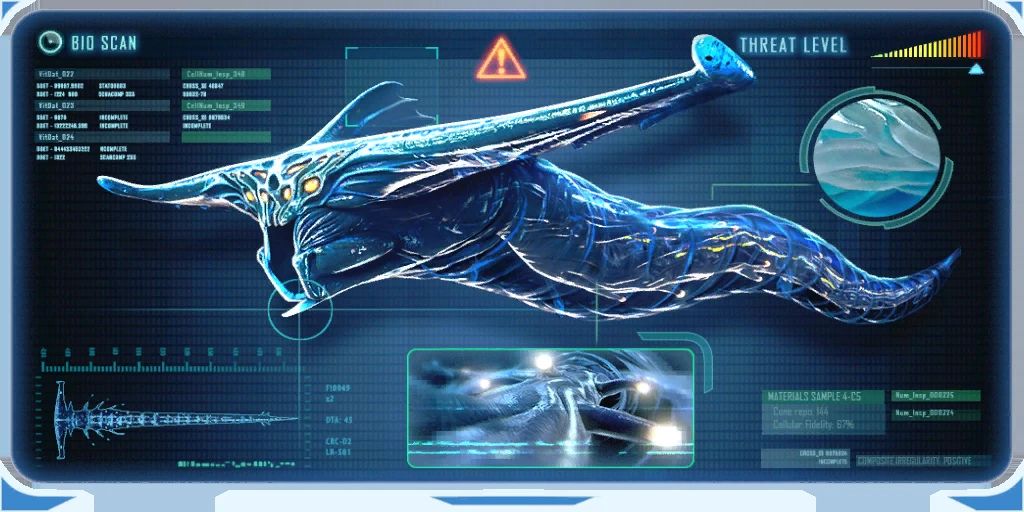
This large predator has adapted to live in deep waters and dark cave systems, attacking anything and everything in its quest to grow larger.
1 Torso
Soft outer membrane and elongated body enable superior navigation of tight cave environments. Displays some similarities to other eel-like predators in the area, however the ghost leviathan has covered over the electrical prongs on its inner torso with a taut, transparent membrane which delivers superior maneuverability.
2 Diet
In its juvenile state this leviathan feeds on larger herbivores, and unfortunate members of its own species. They display a remarkable rate of growth which shows no signs of stopping, suggesting that they must abandon their hatching grounds before they grow too large and make for more open waters.
Assessment Avoid