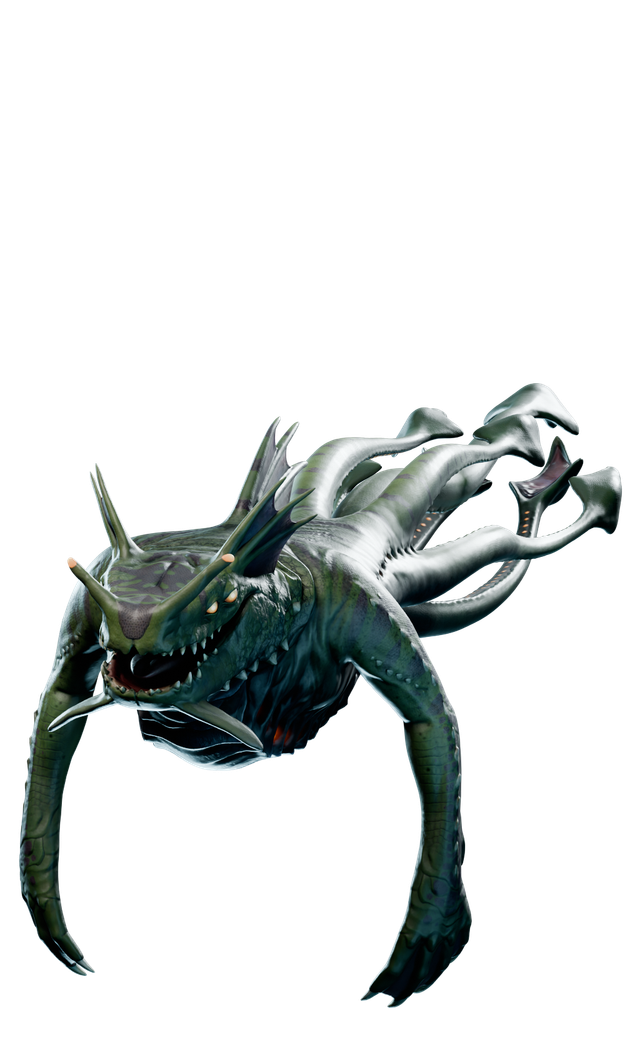
Zeedraak leviathan
- 5.000Gezondheid
- 10Aanvalsschade
- 25 m/sTopsnelheid
- AgressiefGedrag
Profiel
- PDA-categorie
- Leviathans
- Gezondheid
- 5.000
- Topsnelheid
- 25 m/s
- Acceleratie
- 12 m/s²
- Scantijd
- 9 s
spawn seadragon 1Amount
De console staat uit tot je Shift ingedrukt houdt terwijl je op Enter of de backquote-toets (`) drukt. Daarna opent en sluit backquote hem, opent Enter hem en sluit Escape hem.
Aanvallen
Gedrag
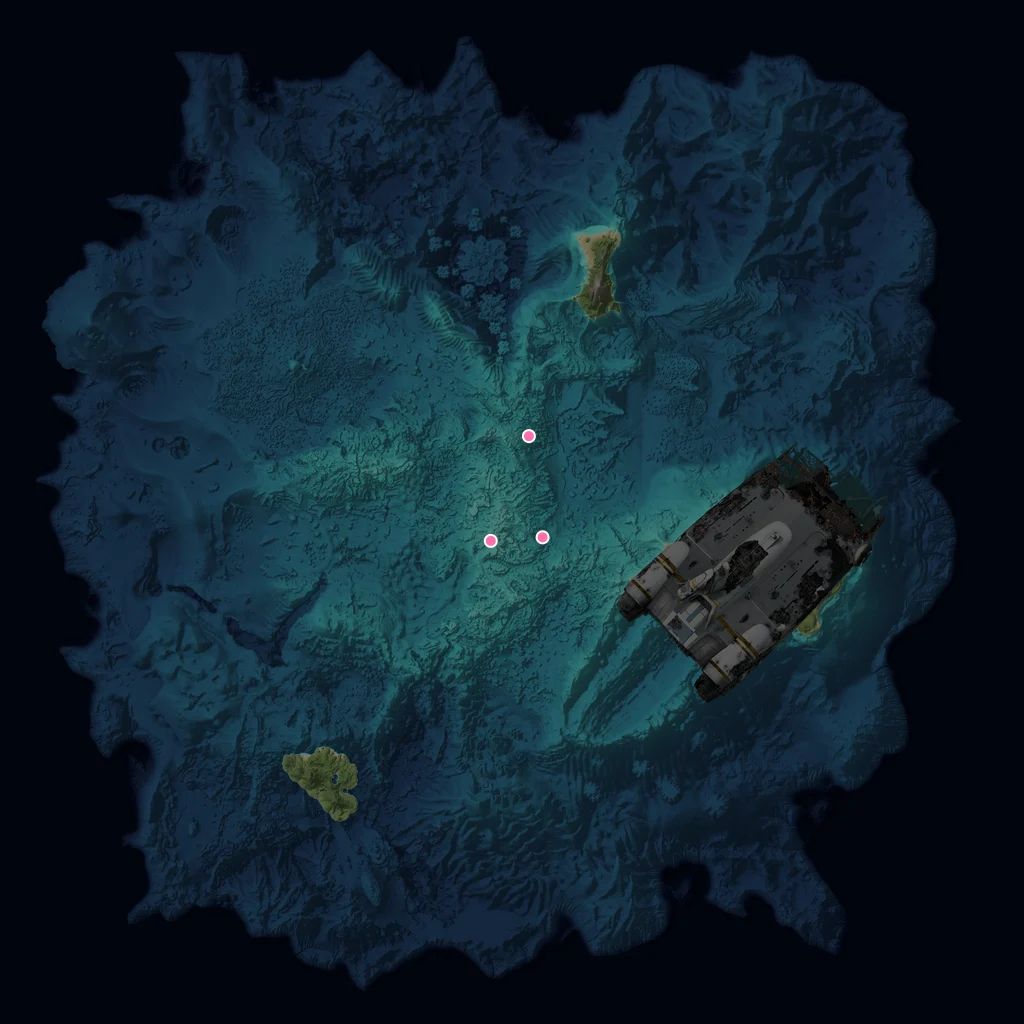
Spawnlocaties
PDA-artikel
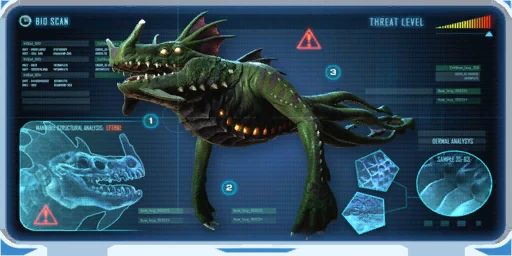
A colossal leviathan with reptilian features, seen stalking the very heart of the volcanic crater which underpins life in this area. The scanned specimen measured 112m in length.
1 Heat-Proof Tissue
Tissue analysis reveals this specimen consists of 1/3 inanimate materials, focused around the chest area. Consumption and retention of mineral substances may explain the lifeform's ability to withstand extremes of temperature. It even appears to be able to consume molten materials and expel them at its adversaries.
2 Forearms
Evolutionarily distinct forearms are used for both propulsion and offensive purposes. Finding suggests evolutionary divergence from other species on the planet tens of millions of years ago. The sea dragon is likely one of the oldest species on the planet.
3 Behavior
As the largest carnivorous species encountered on 4546B, almost everything is potential prey. With few substantial targets in the volcanic cave systems the sea dragon likely ventures out into cooler waters to hunt other, smaller leviathans, cornering them and forcing them deeper, where they are ultimately boiled alive.
The sea dragons' size and the restrictions of the cave systems they inhabit suggest their population numbers are extremely low, perhaps in the single digits. While it is not unusual for larger predators to sustain lower populations, it is possible the sea dragon's food sources have diminished over time. This species may be nearing extinction.
Assessment Extreme threat - Avoid in all circumstances